Heart disease remains one of the leading causes of death worldwide, but simple lifestyle changes can significantly reduce cardiovascular risks. Many people believe that improving heart health requires drastic overhauls to their daily routines, but research shows that small, consistent modifications make a meaningful difference.

Simple adjustments to diet, exercise habits, and lifestyle choices can strengthen the heart and improve overall cardiovascular function. These changes include incorporating more physical activity, making smarter food choices, and reducing heart disease risk[1] through practical daily habits that fit into busy schedules.
1. Take a daily 30-minute brisk walk to boost heart function

Walking is one of the most effective ways to improve heart health. A 30-minute daily walk strengthens the cardiovascular system[2] and helps it work better.
Brisk walking means moving at 3 to 4 miles per hour. This speed raises the heart rate enough to provide real benefits. People can also split their walk into two 15-minute sessions if needed.
Regular walking helps lower both systolic and diastolic blood pressure[2]. It also reduces the risk of heart attacks and strokes.
Walking improves cholesterol levels and boosts energy[3]. It fights weight gain, which is important for heart health.
The activity also reduces stress and clears the mind. These mental health benefits support overall cardiovascular wellness.
People can start slowly and build up to 30 minutes. Even shorter walks provide some heart benefits. The key is making it a daily habit.
Walking requires no special equipment or gym membership. Anyone can do it almost anywhere, making it an accessible form of heart-healthy exercise.
2. Incorporate more fruits and vegetables into every meal
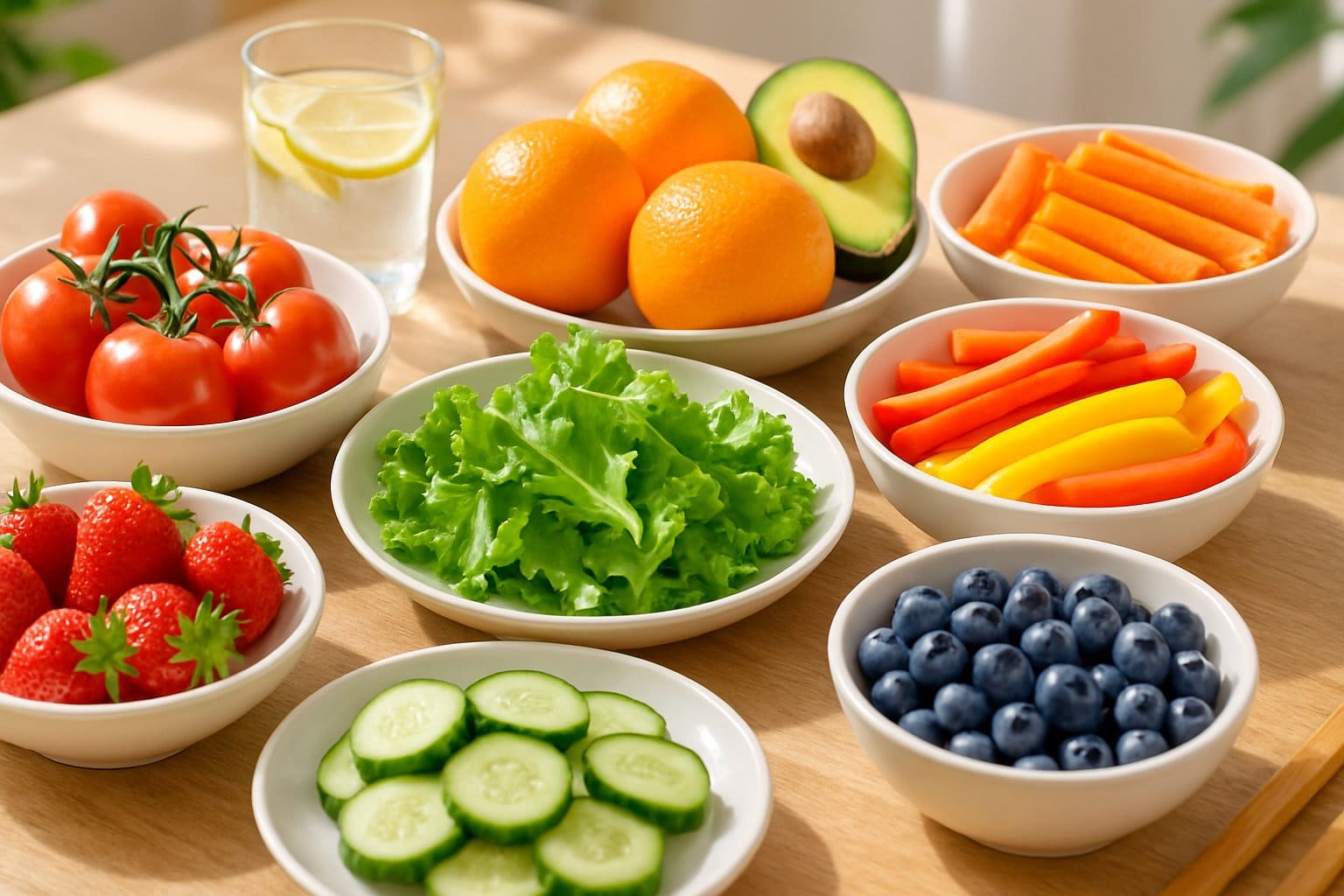
Adding fruits and vegetables to every meal provides important health benefits for the heart. People who eat more fruits and vegetables have lower risks for chronic diseases, such as high blood pressure, diabetes, and heart disease[4].
Fruits and vegetables contain potassium, which helps lower blood pressure. This mineral plays a key role in heart health.
Making half the plate fruits and vegetables[5] creates a healthy meal pattern. This simple rule makes meal planning easier.
People can add vegetables to breakfast by including spinach in eggs or berries in oatmeal. Lunch becomes healthier with extra lettuce, tomatoes, and peppers in sandwiches.
Dinner offers many chances to add vegetables. Roasted vegetables, steamed broccoli, or a side salad work well with most main dishes.
Snacks provide another opportunity to eat more produce. Fresh fruit, cut vegetables with hummus, or a smoothie help people reach their daily goals.
Whether cooking at home or eating out, adding more colorful, nutritious vegetables and fruit into snacks and meals supports healthy eating patterns[6].
3. Choose whole grains like brown rice and quinoa
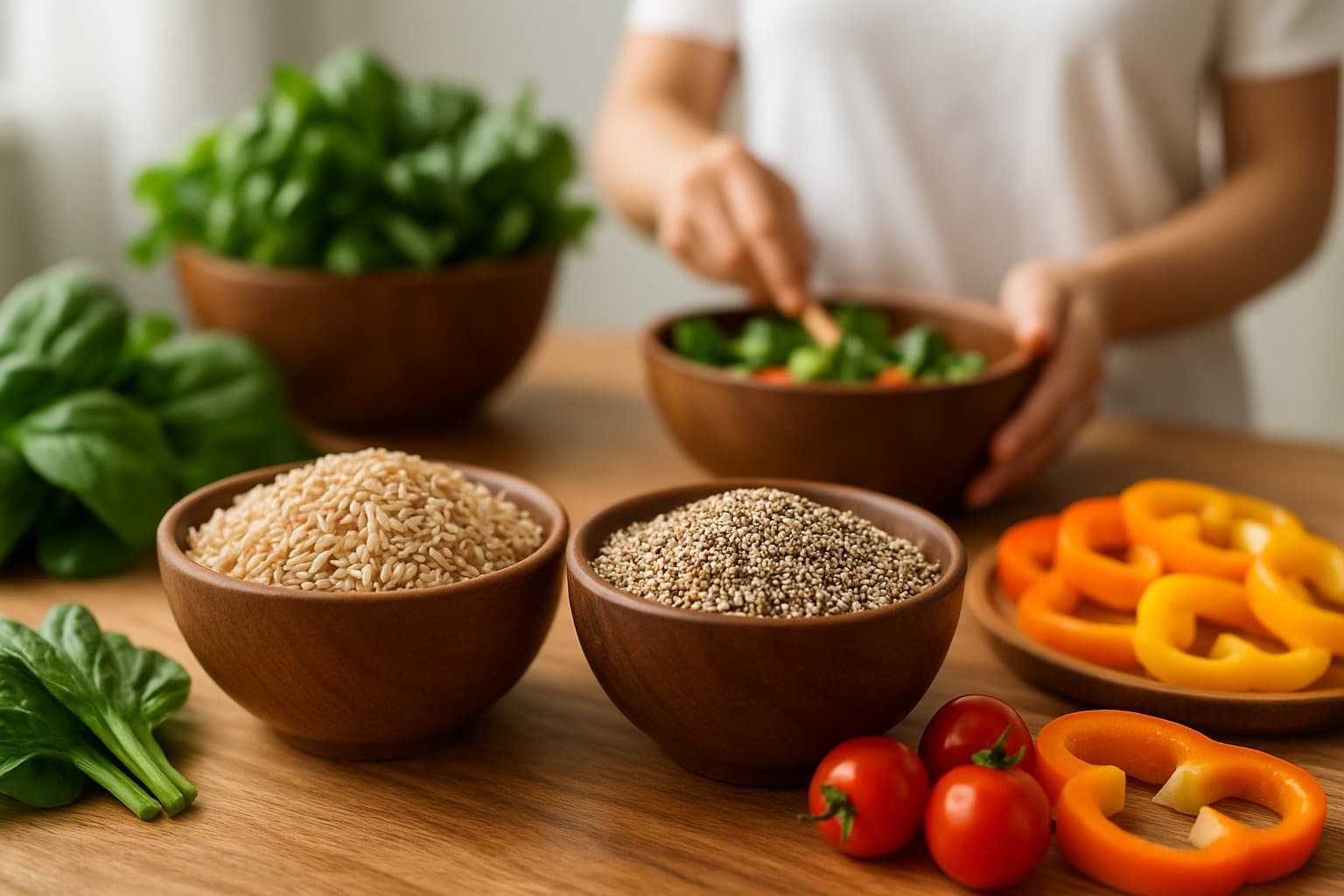
Wholegrains can help lower the risk of heart disease[7] by providing important nutrients that support cardiovascular function. These foods use the entire grain instead of just parts of it.
Brown rice and quinoa are excellent choices for heart health. They contain more fiber, vitamins, and minerals than refined grains like white rice or white bread.
The fiber in wholegrains helps reduce and regulate cholesterol levels[7]. This is important because high cholesterol can damage blood vessels and increase heart disease risk.
Whole grains are high in many nutrients, like fiber, magnesium, iron, B vitamins, and phytonutrients[8]. These nutrients work together to support heart function and blood vessel health.
The American Heart Association recommends eating three or more servings of fiber-rich whole grains every day[9]. This amount provides enough nutrients to support cardiovascular health.
When shopping, people should look for products that list whole grains as the first ingredient. Less processed options provide better nutrition than heavily processed grain products.
4. Use nontropical plant oils such as olive or canola oil
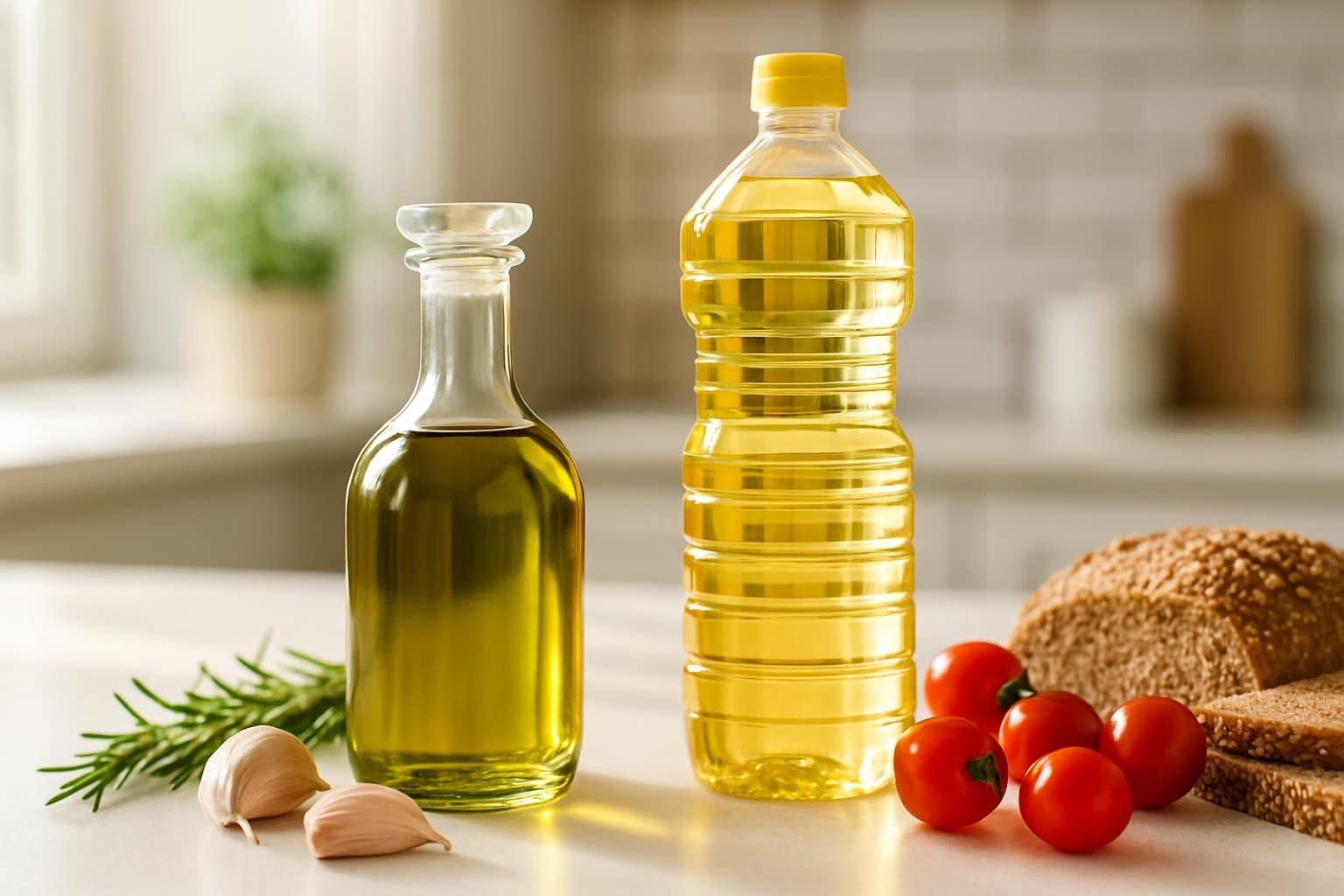
The type of cooking oil people choose affects their heart health. Nontropical vegetable oils like olive or canola oil[10] are better choices than tropical oils.
These oils contain monounsaturated fats. Monounsaturated fats help with cell development and maintenance[11].
When people replace saturated fats with monounsaturated fats, good things happen. This swap can decrease bad LDL cholesterol and help improve heart health[11].
The American Heart Association suggests specific oils for cooking. They recommend liquid non-tropical plant oils such as olive or sunflower oils[12] for heart-healthy meals.
Other good options include peanut oil and safflower oil. These oils work well for cooking and provide heart benefits.
People should avoid tropical oils like coconut oil and palm oil when possible. These contain more saturated fats that can raise cholesterol levels.
Switching to healthier oils is an easy change that supports cardiovascular health.
5. Limit added sugars in snacks and beverages

Added sugars can harm heart health when consumed in large amounts. They provide empty calories and can lead to weight gain and blood sugar spikes.
The 2015-2020 Dietary Guidelines for Americans recommends limiting calories from added sugars to no more than 10% each day[13]. This equals about 12 teaspoons of sugar for a 2,000-calorie diet.
Many people consume too much sugar through sweetened drinks. Soda, sports drinks, and fruit juices often contain high amounts of added sugars.
Snack foods like cookies, candy, and pastries also pack lots of sugar. These foods offer few nutrients but many calories.
People can choose water instead of sugary drinks. Sparkling water with lemon or lime adds flavor without sugar.
Fresh fruit makes a better snack choice than candy or cookies. Fruit contains natural sugars plus fiber and vitamins.
Reading food labels helps identify hidden sugars. Sugar appears under many names like high fructose corn syrup and cane juice.
High intake of added sugars can increase inflammation and risk of obesity, type 2 diabetes, cardiovascular disease, and many other chronic diseases[14].
6. Reduce sodium intake by cooking with herbs instead of salt

Most people eat too much sodium every day. More than 70% of sodium comes from packaged and restaurant foods[15], not the salt shaker.
Too much sodium raises blood pressure. It can harm the heart and kidneys over time.
Herbs and spices make food taste great without adding sodium. Using herbs instead of salt naturally reduces sodium intake[16] while keeping meals flavorful.
Fresh herbs like basil, cilantro, and parsley add bright flavors. Dried herbs such as oregano, thyme, and rosemary work well in cooked dishes.
Spices like garlic powder, onion powder, and paprika create depth without salt. Black pepper, cumin, and chili powder boost taste in many recipes.
Citrus juice and vinegar also enhance flavor naturally. Lemon juice brightens vegetables and fish. Balsamic vinegar adds richness to salads and meats.
People can train their taste buds to enjoy less salty foods. Choosing herbs and spices over salt protects heart health[16] while making meals more interesting.
7. Eat lean proteins from seafood and plant-based sources
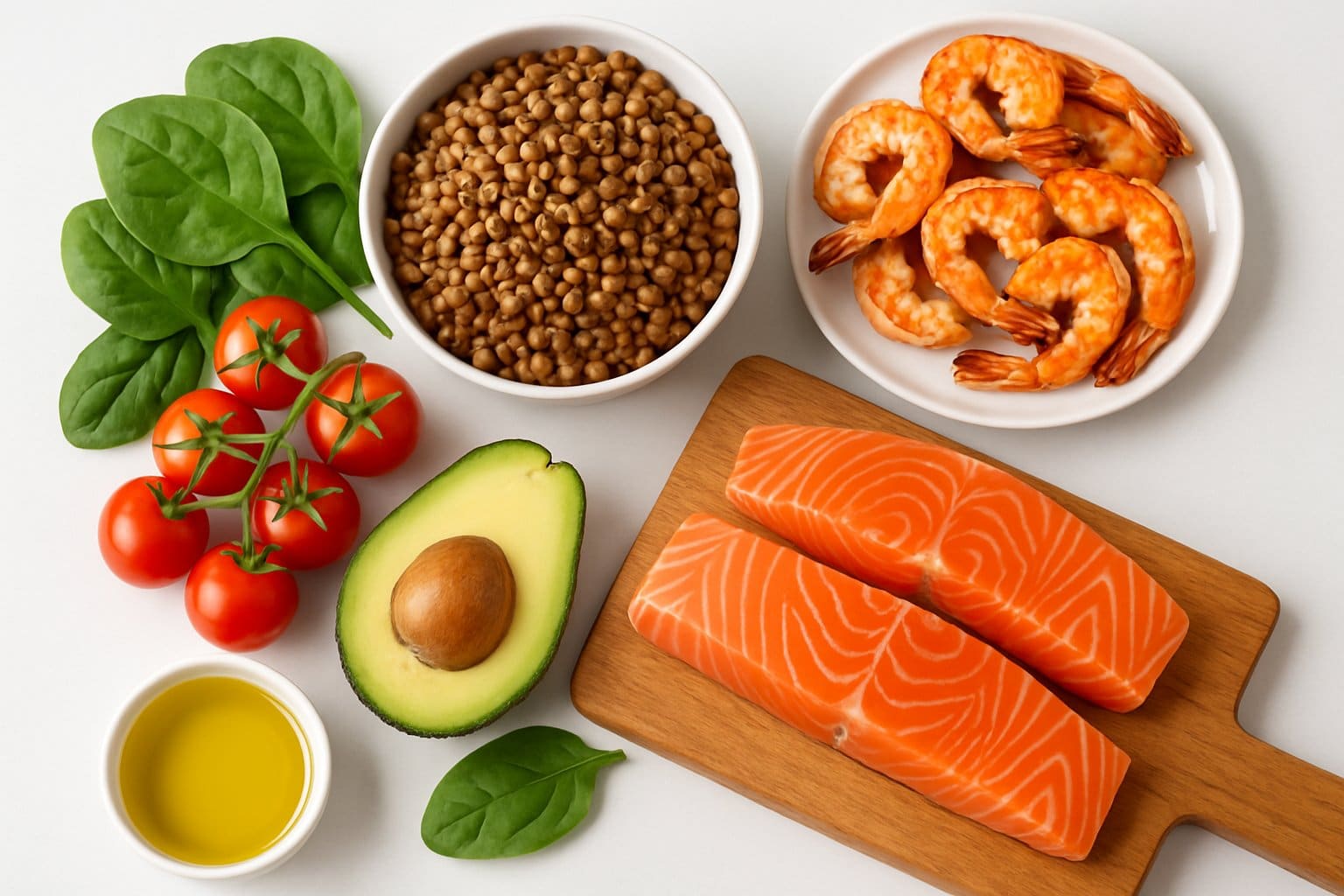
Lean proteins support healthy muscle development[17] and tissue repair. They contain less saturated fat and cholesterol than fatty protein sources.
The American Heart Association recommends choosing healthy protein sources[18], mostly from plants. They suggest eating fish and seafood regularly.
Fish and shellfish provide high-quality protein. Salmon, tuna, cod, and shrimp are good choices. These foods also contain omega-3 fatty acids that benefit heart health.
Plant proteins offer many advantages. Beans, lentils, tofu, and nuts are lean protein sources[19] that fit into heart-healthy eating plans.
Plant-based proteins cost less and create less stress on the environment[20]. Eating less meat may improve mental health and reduce heart disease risk.
People can replace high-fat meats with these healthier options. Try adding beans to salads or choosing grilled fish instead of red meat. These simple swaps help protect cardiovascular health.
8. Minimize consumption of processed and fast foods

Processed and fast foods contain high levels of added sugars, unhealthy fats, and salt. These ingredients contribute to extra calories and poor nutrition quality.
Regular consumption of these foods increases health risks. Ultra-processed foods have been linked to cardiovascular disease-related deaths[21], obesity, and type 2 diabetes.
People can start by reading food labels carefully. Foods with long ingredient lists often contain more additives and preservatives.
Fresh, whole foods provide better nutrition for the heart. Fruits, vegetables, lean proteins, and whole grains offer essential nutrients without excess sodium or artificial ingredients.
Limiting heavily processed foods doesn’t require complete elimination[22]. Small changes can make a big difference over time.
Planning meals ahead helps reduce reliance on convenience foods. Preparing simple meals at home gives people more control over ingredients and portions.
When choosing packaged foods, look for options with fewer ingredients. Items closer to their natural state typically offer better nutritional value for heart health.
9. Engage in light resistance training, like lifting small weights

Light resistance training offers significant benefits for heart health. When people lift small weights, their heart rate increases and blood flow improves throughout the body.
Light weight exercises[23] can strengthen muscles while being gentler on joints than heavy lifting. This makes them perfect for beginners or those with physical limitations.
The key is using proper form and doing more repetitions. Training with lighter weights[24] allows people to focus on technique while still building strength.
Small weights work multiple muscle groups at once. This creates a cardiovascular challenge that helps improve heart function over time.
People should lift weights slowly and controlled. Taking two seconds to lift and four seconds to lower the weight activates more muscle fibers and provides better heart benefits.
Light dumbbell exercises[25] can be done at home with minimal equipment. Even 2-pound weights can provide effective cardiovascular benefits when used consistently.
The combination of muscle work and elevated heart rate makes light resistance training an excellent addition to any heart-healthy exercise routine.
10. Avoid excessive alcohol consumption, limiting to one drink per day
Too much alcohol can hurt your heart and raise blood pressure. The heart works harder when alcohol levels get too high in your body.
Limiting alcohol helps manage high blood pressure[26]. Men should have no more than two drinks per day. Women should stick to one drink per day.
One drink means 12 ounces of beer, 5 ounces of wine, or 1.5 ounces of hard liquor. These amounts contain about the same amount of alcohol.
Binge drinking is especially harmful to the heart. This happens when someone drinks too much too fast. Binge drinking occurs when men have 5 or more drinks or women have 4 or more drinks in about 2 hours[27].
Drinking only moderate amounts can lower the risk of health problems[28]. These problems include liver disease and some types of cancer.
People who don’t drink alcohol should not start drinking for health reasons.
Understanding Cardiovascular Health
The cardiovascular system works as the body’s main transport network, moving blood and nutrients to every cell. Several factors can damage this system and increase the risk of heart disease and stroke.
How the Cardiovascular System Functions
The heart acts as a powerful pump with four chambers. The right side pumps blood to the lungs to pick up oxygen. The left side pumps oxygen-rich blood throughout the body.
Blood vessels form three main types:
- Arteries – carry oxygen-rich blood away from the heart
- Veins – return oxygen-poor blood back to the heart
- Capillaries – tiny vessels that connect arteries and veins
The heart beats about 100,000 times per day. Each beat pushes about 2 ounces of blood through the body. This creates blood pressure, which measures the force of blood against artery walls.
A healthy cardiovascular system delivers oxygen and nutrients efficiently. It also removes waste products like carbon dioxide from cells. When this system works well, organs and tissues get what they need to function properly.
Common Cardiovascular Risk Factors
Several factors increase the chance of developing heart disease. Some people can control these factors, while others cannot change them.
Controllable risk factors include:
- High blood pressure (above 130/80 mmHg)
- High cholesterol levels (total cholesterol above 200 mg/dL)
- Smoking and tobacco use
- Lack of physical activity
- Poor diet high in saturated fats and sodium
- Excess weight
- Diabetes
Non-controllable risk factors include:
- Age (risk increases after age 45 for men, 55 for women)
- Gender (men have higher risk at younger ages)
- Family history of heart disease
- Race and ethnicity
People with multiple risk factors face much higher chances of heart problems. Heart disease accounts for 1 in 5 deaths[29] in the United States. However, many cases can be prevented through lifestyle changes.
Long-Term Benefits of Improved Cardiovascular Health
Better heart health protects against heart disease, stroke, and diabetes while adding years to life. People with healthy hearts maintain independence longer and enjoy better physical and mental function as they age.
Preventing Chronic Diseases
Strong cardiovascular health reduces the risk of multiple serious health conditions. People with healthy hearts cut their chances of coronary heart disease by up to 80%.
Heart Disease Prevention Regular exercise and healthy eating strengthen the heart muscle. This makes the heart pump blood more efficiently with less effort.
Lower blood pressure protects arteries from damage. Clean arteries reduce plaque buildup that causes heart attacks.
Stroke Risk Reduction Healthy blood pressure keeps brain blood vessels strong. Good cholesterol levels prevent clots that block blood flow to the brain.
People who follow heart-healthy eating patterns[30] lower stroke risk by 30%. This includes eating more fruits, vegetables, and whole grains.
Diabetes Prevention Regular physical activity helps cells use insulin better. This keeps blood sugar levels stable and prevents type 2 diabetes.
Maintaining a healthy weight reduces insulin resistance. Even losing 5-10 pounds makes a big difference for diabetes risk.
Enhancing Longevity and Quality of Life
Good heart health adds both years to life and life to years. People with strong cardiovascular systems stay active and independent longer.
Increased Life Expectancy Men with excellent heart health live 14 years longer than those with poor heart health. Women gain 12 extra years with good cardiovascular fitness.
Regular exercise alone can add 3-5 years to life expectancy. Walking just 30 minutes daily provides major benefits.
Better Physical Function Strong hearts deliver oxygen efficiently to muscles and organs. This helps people climb stairs, carry groceries, and play with grandchildren without getting tired.
Good circulation keeps muscles strong and joints flexible. People maintain balance and coordination better as they age.
Mental Health Benefits Exercise improves blood flow to the brain. This enhances memory, focus, and decision-making skills.
People with healthy hearts have lower rates of depression and anxiety. Physical activity releases chemicals that boost mood and reduce stress.
Independence in Later Years Cardiovascular fitness helps people avoid nursing homes longer. They can drive, shop, and take care of themselves without help.
Strong hearts prevent falls by maintaining good balance and muscle strength. This keeps people living in their own homes safely.
Frequently Asked Questions
People often have specific questions about improving their heart health through exercise, diet changes, and lifestyle habits. These answers provide practical steps for strengthening cardiovascular health and avoiding harmful practices.
What exercises can strengthen my heart?
A daily 30-minute brisk walk provides excellent cardiovascular benefits. This simple activity strengthens the heart muscle and improves circulation throughout the body.
Swimming offers a full-body workout that puts less stress on joints while building heart strength. People can start with 15-20 minutes and gradually increase their time in the water.
Cycling, whether outdoors or on a stationary bike, elevates heart rate effectively. Regular cycling sessions help lower blood pressure and improve overall heart function.
Strength training with light weights or resistance bands supports heart health when done 2-3 times per week. Exercise improves heart health[31] by lowering risk for heart conditions and improving lean muscle mass.
What changes can I make to my diet to improve heart health?
Adding more fruits and vegetables to every meal provides essential nutrients that support heart function. Fresh produce contains antioxidants and fiber that help reduce inflammation.
Choosing whole grains like brown rice and quinoa instead of refined grains helps maintain steady blood sugar levels. These foods contain more fiber and nutrients than processed alternatives.
Using nontropical plant oils such as olive or canola oil for cooking provides healthier fats. Nontropical liquid plant oils[30] support better cardiovascular health than saturated fats.
Limiting added sugars in snacks and beverages reduces strain on the cardiovascular system. People should check food labels and choose options with less than 6 grams of added sugar per serving.
Are there quick steps I can take for better cardiovascular fitness?
Taking the stairs instead of elevators increases daily physical activity without requiring extra time. This simple change adds cardiovascular exercise to regular routines.
Parking farther away from store entrances adds extra walking steps throughout the day. These small increases in movement accumulate to benefit heart health.
Standing and moving for 2-3 minutes every hour improves circulation. People who sit at desks can set reminders to take brief movement breaks.
Deep breathing exercises for 5 minutes daily help reduce stress and lower blood pressure. Slow, controlled breathing activates the body’s relaxation response.
What are the best practices to maintain a heart-healthy lifestyle?
Getting 7-8 hours of quality sleep each night allows the heart to rest and repair. Poor sleep patterns increase stress hormones that can damage cardiovascular health.
Managing stress through regular relaxation techniques protects heart health. Activities like meditation, yoga, or reading help reduce harmful stress hormones.
Maintaining a healthy weight reduces strain on the heart and blood vessels. Even losing 5-10 pounds can improve blood pressure and cholesterol levels.
Staying hydrated with water throughout the day supports proper blood circulation. People should aim for 8 glasses of water daily unless their doctor advises otherwise.
How can I improve my heart health within a month?
Starting a daily walking routine shows improvements in cardiovascular fitness within 2-3 weeks. People can begin with 10-15 minutes and gradually increase duration.
Cutting out sugary drinks immediately reduces daily calorie intake and blood sugar spikes. Replacing soda with water or unsweetened tea provides quick benefits.
Adding one serving of vegetables to each meal increases fiber and nutrient intake. This simple change supports better cholesterol levels and blood pressure.
Reducing salt intake by avoiding processed foods helps lower blood pressure within weeks. People can use herbs and spices instead of salt for flavor.
What habits should I avoid to keep my heart in good condition?
Smoking damages blood vessels and increases heart disease risk significantly. People who quit smoking see improvements in circulation within weeks.
Excessive alcohol consumption raises blood pressure and contributes to heart problems. Limiting alcohol[30] intake supports better cardiovascular health.
Eating large amounts of processed foods increases sodium and unhealthy fat intake. These foods contribute to high blood pressure and elevated cholesterol levels.
Sitting for long periods without movement reduces circulation and weakens the heart. People should avoid remaining sedentary for more than one hour at a time.
Ignoring stress and not managing it properly puts extra strain on the cardiovascular system. Chronic stress releases hormones that can damage blood vessels over time.
References
- 10 practical, daily tips to improve heart health | Heart | Prevention. https://utswmed.org/medblog/heart-health-tips-habits/ Accessed November 26, 2025
- 30-minute daily walk strengthens the cardiovascular system. https://www.verywellfit.com/walking-30-minutes-per-day-7969716 Accessed November 26, 2025
- Is Walking Good for Your Heart?. https://www.abbott.com/corpnewsroom/healthy-heart/improve-heart-health-by-walking.html Accessed November 26, 2025
- People who eat more fruits and vegetables have lower risks for chronic diseases, such as high blood pressure, diabetes, and heart disease. https://hsl.osu.edu/sites/default/files/2023-06/TipsforEatingMoreFruitsandVegetables.pdf Accessed November 26, 2025
- Making half the plate fruits and vegetables. https://aging.maryland.gov/SiteAssets/Pages/NutritionMonth/20%20Ways%20to%20Enjoy%20More%20Fruits%20and%20Vegetables_NNM22_English.pdf Accessed November 26, 2025
- How to Eat More Fruit and Vegetables. https://www.heart.org/en/healthy-living/healthy-eating/add-color/how-to-eat-more-fruits-and-vegetables Accessed November 26, 2025
- Wholegrains and heart health. https://www.heartfoundation.org.au/healthy-living/healthy-eating/wholegrains-and-heart-health Accessed November 26, 2025
- Whole grains are high in many nutrients, like fiber, magnesium, iron, B vitamins, and phytonutrients. https://www.realsimple.com/food-recipes/recipe-collections-favorites/healthy-meals/healthiest-grains Accessed November 26, 2025
- 7 Whole-Grain Foods You Should Try. https://www.heart.org/en/healthy-living/healthy-eating/eat-smart/nutrition-basics/types-of-whole-grains Accessed November 26, 2025
- Heart-healthy diet Information. https://www.mountsinai.org/health-library/report/heart-healthy-diet Accessed November 26, 2025
- Monounsaturated fats help with cell development and maintenance. https://cris.msu.edu/news/cooking-oils/cooking-oils-plant-based-oils/ Accessed November 26, 2025
- ‘I’m a Dietitian, and These Are the 6 Best Cooking Oils f.... https://www.wellandgood.com/food/best-cooking-oil-heart-health Accessed November 26, 2025
- 2015-2020 Dietary Guidelines for Americans recommends limiting calories from added sugars to no more than 10% each day. https://health.gov/sites/default/files/2019-10/DGA_Cut-Down-On-Added-Sugars.pdf Accessed November 26, 2025
- Tips for Reducing Added Sugar. https://www.umassmed.edu/nutrition/Cardiovascular/handouts/tips-for-reducing-added-sugar/ Accessed November 26, 2025
- How to Reduce Sodium in Your Diet. https://www.heart.org/en/healthy-living/healthy-eating/eat-smart/sodium/how-to-reduce-sodium Accessed November 26, 2025
- Reduce Sodium Intake Naturally with Herbs, Spices, and Citrus. https://www.nutrition-and-you.com/reduce-sodium-intake-naturally-with-herbs-spices-and-ctrus.html Accessed November 26, 2025
- Lean proteins support healthy muscle development. https://www.realsimple.com/lean-proteins-11719736 Accessed November 26, 2025
- Picking Healthy Proteins. https://www.heart.org/en/healthy-living/healthy-eating/eat-smart/nutrition-basics/picking-healthy-proteins Accessed November 26, 2025
- 15 Lean Protein Sources. https://www.everydayhealth.com/diet-nutrition/best-food-sources-of-lean-protein/ Accessed November 26, 2025
- Plant-based proteins cost less and create less stress on the environment. https://studentwellness.uiowa.edu/sites/studentwellness.uiowa.edu/files/imports/Uploads/Week-3-Protein-Tips.pdf Accessed November 26, 2025
- Ultra-processed foods have been linked to cardiovascular disease-related deaths. https://thedacore.org/real-food-real-health-10-ways-to-cut-back-on-processed-foods/ Accessed November 26, 2025
- Access to this page has been denied. https://www.goodrx.com/well-being/diet-nutrition/tips-for-avoiding-processed-foods Accessed November 26, 2025
- 9 Easy Light Weight Exercises for a Strong, Slim Physique. https://bestlifeonline.com/light-weight-exercises/ Accessed November 26, 2025
- A Trainer's 10 Tips for Building Muscle with Lighter Weights. https://www.eatthis.com/tips-to-build-muscle-with-lighter-weights/ Accessed November 26, 2025
- 6 Light Weight Dumbbell Exercises to Do at Home. https://welltech.com/content/light-weight-dumbbell-exercises-to-do-at-home/ Accessed November 26, 2025
- Limiting or Avoiding Alcohol to Manage High Blood Pressure. https://www.heart.org/en/health-topics/high-blood-pressure/changes-you-can-make-to-manage-high-blood-pressure/limiting-alcohol-to-manage-high-blood-pressure Accessed November 26, 2025
- Binge drinking occurs when men have 5 or more drinks or women have 4 or more drinks in about 2 hours. https://assets.campbell.edu/wp-content/uploads/2016/12/Alcohol-Section-Updated.pdf Accessed November 26, 2025
- Drink Alcohol Only in Moderation. https://odphp.health.gov/myhealthfinder/health-conditions/heart-health/drink-alcohol-only-moderation Accessed November 26, 2025
- 10 Ways to Keep Your Heart Healthy. https://healthtalk.unchealthcare.org/10-ways-to-keep-your-heart-healthy/ Accessed November 26, 2025
- Ten Ways to Improve Your Heart Health Infographic. https://www.heart.org/en/healthy-living/healthy-eating/eat-smart/nutrition-basics/the-ten-ways-to-improve-your-heart-health Accessed November 26, 2025
- How Exercise Helps Your Heart. https://health.clevelandclinic.org/exercise-heart-health Accessed November 26, 2025