Your body undergoes remarkable changes when you commit to just five minutes of daily breathwork. This simple practice shifts your nervous system from stress mode to calm, lowers your heart rate, and helps regulate blood pressure within minutes of starting.
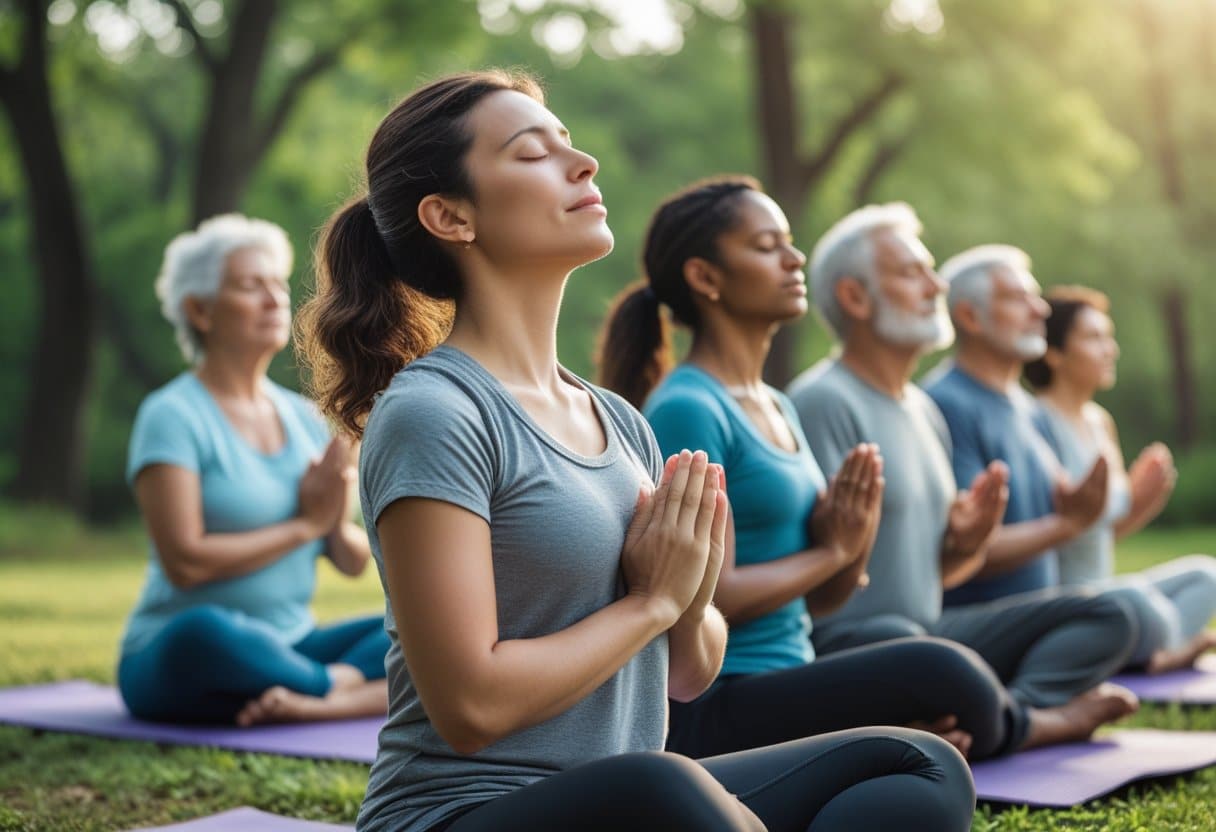
When someone practices breathwork for just five minutes each day, their body moves out of fight-or-flight mode and activates the relaxation response, leading to reduced stress hormones, better immune function, and improved emotional balance. Research shows that daily breathwork practice[1] can boost the immune system and reduce inflammation throughout the body.
The beauty of breathwork lies in its immediate accessibility and long-term benefits. While many wellness practices require expensive equipment or extensive training, controlled breathing techniques[2] only need your lungs and a few minutes of focused attention. Scientists have discovered that this ancient practice creates measurable changes in brain activity, hormone levels, and cellular function that compound over time.
Key Takeaways
- Daily five-minute breathwork sessions activate the body’s natural relaxation response and reduce stress hormones
- Regular breathing exercises strengthen immune function while decreasing inflammation throughout the body
- Simple breathing techniques can be practiced anywhere without special equipment and provide both immediate and long-term health benefits
How Just 5 Minutes of Breathwork Alters the Body and Mind
Just five minutes of conscious breathing triggers immediate shifts in heart rate and blood pressure while simultaneously enhancing cognitive function and rebalancing the autonomic nervous system. These changes occur rapidly, with measurable effects beginning within the first few breath cycles.
Immediate Physical Changes
The body responds to breathwork within seconds[3] of beginning the practice. Heart rate begins to slow as the parasympathetic nervous system activates.
Blood pressure decreases as blood vessels relax. Oxygen levels increase throughout the body while carbon dioxide levels stabilize.
Key Physical Changes:
- Heart rate drops by 10-20 beats per minute
- Blood pressure reduces by 5-10 points
- Muscle tension releases, especially in shoulders and jaw
- Breathing rate slows from 15-20 breaths to 6-10 per minute
The diaphragm strengthens with each deep breath. This muscle becomes more efficient at moving air in and out of the lungs.
Stress hormones like cortisol begin dropping within minutes. The body shifts from a state of alertness to relaxation.
Mental Clarity and Focus
Mental clarity improves as the brain receives more oxygen during controlled breathing. Thoughts become less scattered and more organized.
Focus and clarity sharpen[3] as the mind settles into the rhythm of conscious breathing. Attention span increases noticeably.
The prefrontal cortex becomes more active during breathwork. This brain region controls decision-making and problem-solving abilities.
Cognitive Benefits Include:
- Improved concentration for 2-4 hours after practice
- Better memory retention
- Faster decision-making
- Reduced mental fog
Racing thoughts slow down as the mind focuses on breathing patterns. Mental chatter decreases significantly during the five-minute session.
Creative thinking often increases after breathwork sessions. Many people report new ideas or solutions emerging.
Link to Nervous System Balance
The autonomic nervous system regulates automatic body functions like heartbeat and digestion. Breathwork influences this system[4] directly through controlled breathing patterns.
Slow, deep breathing activates the parasympathetic nervous system. This branch promotes rest and recovery in the body.
The sympathetic nervous system, responsible for fight-or-flight responses, becomes less active. Stress signals decrease throughout the body.
Nervous System Changes:
- Vagus nerve stimulation increases
- Stress response diminishes
- Rest-and-digest functions improve
- Overall nervous system balance restores
Vagal tone strengthens[3] with regular practice. This improvement helps the body handle future stress more effectively.
The communication between brain and body improves. This enhanced connection makes people more resilient to daily challenges.
Core Breathwork Techniques for Everyday Practice
These four foundational breathing techniques require no special equipment and can be practiced anywhere in just minutes. Each method targets specific aspects of relaxation, focus, and nervous system regulation through controlled breathing patterns.
Box Breathing Explained
Box breathing, also known as square breathing, follows a simple four-count pattern that creates mental clarity and reduces stress. This technique involves equal counts for inhaling, holding, exhaling, and holding again.
The Basic Pattern:
- Inhale for 4 counts
- Hold breath for 4 counts
- Exhale for 4 counts
- Hold empty for 4 counts
Practitioners can start with shorter counts and gradually increase to 6 or 8 counts as comfort improves. The equal timing creates a balanced rhythm that helps reset the nervous system[5].
This method works well during stressful moments at work or before important meetings. The structured counting gives the mind a specific focus while regulating the body’s stress response.
Navy SEALs and emergency responders commonly use box breathing to maintain composure under pressure. Regular practice strengthens the ability to stay calm during challenging situations.
4-7-8 Breathing and Its Effects
The 4-7-8 breath creates a powerful relaxation response by extending the exhale longer than the inhale. This technique specifically activates the body’s rest and digest mode through controlled breath retention.
The 4-7-8 Pattern:
- Inhale through nose for 4 counts
- Hold breath for 7 counts
- Exhale through mouth for 8 counts
The extended exhale signals the nervous system to shift into relaxation mode. Research shows that slow, deep breathing with emphasis on the exhale[6] effectively lowers heart rate and blood pressure.
This breathing technique works particularly well before bedtime. The longer exhale helps quiet racing thoughts and prepares the body for sleep.
Beginners should start with shorter counts if holding for 7 feels uncomfortable. The ratio matters more than the specific count numbers.
Alternate Nostril Breathing Overview
Alternate nostril breathing, known as Nadi Shodhana in yoga traditions, balances the nervous system by alternating airflow between nostrils. This ancient technique promotes mental clarity and emotional equilibrium.
Basic Technique:
- Use right thumb to close right nostril
- Inhale through left nostril
- Close left nostril with ring finger
- Release thumb and exhale through right nostril
- Continue alternating for 5-10 rounds
The practice creates balance between the body’s sympathetic and parasympathetic nervous systems. Many practitioners report improved focus and reduced anxiety after just a few minutes.
This method requires more coordination than other breathing techniques[7] but becomes natural with practice. The physical focus on finger placement helps quiet mental chatter.
Research suggests this technique may help regulate blood pressure and improve concentration. The alternating pattern creates a meditative state while providing practical stress relief.
Belly Breathing for Calm
Belly breathing, or diaphragmatic breathing, engages the body’s primary breathing muscle to create deep relaxation. This fundamental technique forms the foundation for most other breathing practices.
Proper Belly Breathing:
- Place one hand on chest, one on belly
- Breathe so only the bottom hand moves
- Inhale slowly through nose, expanding belly
- Exhale slowly, letting belly fall naturally
Most people breathe shallowly into their chest throughout the day. Belly breathing triggers the relaxation response[6] and helps reduce cortisol levels.
This technique works especially well when lying down or sitting comfortably. The hand placement provides immediate feedback about breathing quality.
Regular practice of belly breathing can improve sleep quality and reduce chronic stress. Studies show that 20 minutes of slow breathing exercises[6] before bed help people fall asleep faster and wake less frequently.
The technique requires no counting or complex patterns, making it accessible for beginners and useful during moments of high stress or anxiety.
Advanced and Yogic Breathwork Approaches
Advanced breathwork methods build on basic techniques to create powerful shifts in energy and awareness. These practices include the energizing breath of kapalabhati, the consciousness-expanding approach of holotropic breathwork, and the systematic pranayama methods rooted in yoga tradition.
Kapalabhati for Energy
Kapalabhati uses rapid, forceful exhales to boost energy and mental clarity. This technique involves sharp contractions of the abdominal muscles while the inhale happens naturally.
The practice creates internal heat through quick breathing cycles. Each exhale pushes stale air from the lungs while fresh oxygen enters on the passive inhale.
Physical Effects:
- Increases heart rate and circulation
- Warms the body from within
- Strengthens core muscles
- Clears nasal passages
People often feel energized and alert after just a few minutes of practice. The technique works best on an empty stomach in the morning.
Beginners should start with 30 rapid breaths and build up slowly. Taking breaks between rounds prevents dizziness and maintains control.
Holotropic Breathwork Insights
Holotropic breathwork[8] uses continuous, connected breathing to reach altered states of consciousness. This method combines deep breathing with music and focused intention.
Participants breathe in a circular pattern without pauses between inhale and exhale. The technique can trigger emotional releases and profound insights.
Key Elements:
- Breathing Pattern: Circular, connected breaths
- Duration: Sessions last 2-3 hours
- Setting: Group or individual sessions
- Support: Trained facilitator present
The practice may cause intense physical sensations like tingling or muscle tension. These effects are temporary and part of the process.
People report feeling deeply relaxed and emotionally clear after sessions. The technique helps process stored emotions and trauma.
Yoga and Pranayama Connections
Pranayama forms one of the eight limbs of yoga[9] and serves as the foundation for all yogic breathing practices. The word pranayama means “extension of life force” in Sanskrit.
Traditional yoga uses breath control to balance energy channels called nadis. These techniques create unity between body, mind, and spirit[10].
Common Pranayama Techniques:
| Technique | Effect | Practice |
|---|---|---|
| Ujjayi | Calming, focused | Ocean-like sound |
| Bhramari | Reduces stress | Humming on exhale |
| Nadi Shodhana | Balances nervous system | Alternate nostril breathing |
Breathwork enhances physical yoga poses[11] by creating internal awareness and stability. The breath guides movement and helps maintain proper alignment.
Regular pranayama practice develops lung capacity and breath control. These skills transfer to daily life, improving stress management and emotional regulation.
The Science: What Research Says About Short Daily Breathwork

Research shows that just five minutes of daily breathwork can reduce stress hormones, lower anxiety levels, and improve heart rate variability. Studies demonstrate measurable changes in the nervous system within weeks of consistent practice.
Stress Reduction and Anxiety Relief
A Stanford University study found that brief structured respiration practices enhance mood and reduce stress[12] more effectively than mindfulness meditation. The research tested three breathing techniques over 28 days with participants practicing just five minutes daily.
Cyclic sighing showed the strongest results. This technique involves longer exhales than inhales. Participants experienced significant improvements in positive mood and reduced anxiety levels.
The study measured daily changes using standardized anxiety scales. Breathwork participants showed a 1.91-point increase in positive affect scores compared to 1.22 points for meditation groups.
All breathing techniques reduced state anxiety by an average of 3.03 points per session. The effects appeared immediately after each five-minute practice session.
Scientific evidence supports that 5 minutes of conscious breathing daily[4] can regulate the nervous system. The practice activates the parasympathetic nervous system, which controls the body’s rest and digest response.
Impact on Stress Hormones and Sleep
Controlled breathing directly affects stress hormone production. The practice triggers the vagus nerve, which signals the brain to reduce cortisol release.
Regular breathwork lowers baseline stress hormone levels throughout the day. This creates a calmer physiological state even when not actively practicing breathing exercises.
Sleep quality improves through reduced nighttime cortisol levels. Lower stress hormones help the body transition into deeper sleep phases more easily.
Participants in breathing studies typically report better sleep onset and fewer middle-of-night awakenings. The calming effects of daily practice carry over into nighttime hours.
The nervous system learns to shift more quickly between stressed and relaxed states. This improved flexibility helps people recover faster from daily stressors.
Changes in Heart Rate Variability
Heart rate variability (HRV) measures the time between heartbeats. Higher HRV indicates better stress resilience and nervous system health.
Breathwork protocols directly influence heart rate variability[13] through respiratory sinus arrhythmia. This natural process links breathing patterns to heart rhythm changes.
Inhales increase heart rate while exhales decrease heart rate. Controlled breathing amplifies this natural rhythm, improving overall HRV scores.
Studies show measurable HRV improvements within two to four weeks of daily practice. The changes indicate stronger parasympathetic nervous system activation.
Better HRV correlates with improved emotional regulation and stress tolerance. People with higher variability recover more quickly from stressful situations and show greater mental resilience.
Emotional Balance and Emotional Regulation Through Breathwork
Daily breathwork practice activates the parasympathetic nervous system to reduce stress responses and creates measurable improvements in heart rate variability. Breathwork supports emotional regulation[14] by giving people direct control over their physiological state and building stronger awareness of emotional patterns.
Shifting Out of Fight or Flight
The breath directly influences the autonomic nervous system, which controls automatic body functions like heart rate and stress responses. When someone practices slow, deep breathing, they activate the parasympathetic nervous system within minutes.
This activation signals the body to move from a state of stress to one of calm. Breathing affects the autonomic nervous system[15] by triggering the relaxation response that counters fight-or-flight mode.
Physical changes during this shift include:
- Heart rate slows down
- Blood pressure decreases
- Muscle tension releases
- Stress hormones like cortisol drop
Research shows that controlled breathing lowers both systolic and diastolic blood pressure. The body’s stress response becomes less reactive over time with consistent practice.
People notice they feel less anxious and more centered after just five minutes of focused breathing. This happens because the nervous system learns to default to a more balanced state rather than staying in chronic stress mode.
Cultivating Emotional Awareness
Breathwork creates a direct connection between physical sensations and emotional states. When people focus on their breath, they become more aware of how emotions feel in their body.
Conscious breathing helps access inner emotional states[16] that might otherwise go unnoticed. This awareness allows people to catch emotional reactions before they escalate.
During breathwork practice, people often notice:
- Where they hold tension when stressed
- How their breathing changes with different emotions
- The physical sensations that come before emotional reactions
This body awareness helps people identify emotional triggers earlier. They learn to recognize the early warning signs of stress, anger, or anxiety through physical cues.
The practice builds a stronger mind-body connection. People develop the ability to pause and assess their emotional state rather than reacting automatically to situations.
Improved Emotional Resilience
Regular breathwork practice strengthens the body’s ability to bounce back from stress and challenging emotions. Breathwork supports emotional regulation and resilience[14] by training the nervous system to return to balance more quickly.
Heart rate variability improves with consistent breathing exercises. Higher heart rate variability indicates better emotional flexibility and stress recovery.
Key resilience benefits include:
- Faster recovery from emotional upsets
- Better stress management during difficult situations
- Increased emotional stability throughout the day
- Greater ability to stay calm under pressure
People who practice daily breathwork report feeling more emotionally stable. They experience fewer mood swings and feel more equipped to handle unexpected challenges.
The breathing techniques become automatic tools people can use anywhere. Whether dealing with work stress or personal conflicts, they have immediate access to emotional regulation through their breath.
This builds long-term emotional balance as the nervous system becomes trained to maintain equilibrium rather than swinging between extreme states.
Building Your 5-Minute Breathwork Habit for Lasting Benefits
The key to experiencing real benefits from breathwork lies in consistent daily practice and developing mindful awareness of your breathing patterns. Success comes from strategic timing, focused attention, and tracking measurable changes in your well-being.
Integrating Breathwork into Your Day
The most effective approach involves starting small with just 5 minutes daily[4]. Practitioners who succeed long-term choose specific times that align with existing routines.
Best Times for Practice:
- Upon waking (before checking phones)
- During lunch breaks
- Before bedtime
- While waiting in line or commuting
Anchoring breathwork to existing habits[17] creates stronger neural pathways for consistency. People can practice during their morning coffee ritual or right after brushing their teeth.
Setting phone reminders helps establish the routine initially. Many practitioners schedule “breath breaks” just like important meetings. After 21 days, the practice typically becomes automatic.
Simple Integration Strategies:
- Use bathroom breaks as breathwork cues
- Practice three deep breaths before meals
- Do breathing exercises while walking
- Replace one social media check with conscious breathing
Mindfulness and Breath Awareness
Conscious breathing transforms automatic breathing into intentional practice. This awareness creates the foundation for all breathwork benefits.
During practice, attention focuses on specific breath qualities. Practitioners notice the temperature of incoming air, the expansion of their ribcage, and the natural pause between breaths.
Key Awareness Points:
- Breath rhythm and depth
- Physical sensations in the chest and belly
- Mental state before and after practice
- Areas of tension that release during breathing
Mindfulness during breathwork means observing without judgment. When thoughts arise, practitioners simply return attention to their breath pattern. This gentle redirection strengthens both concentration and self-awareness.
The practice develops what experts call “breath literacy” – understanding how different breathing patterns affect energy and emotions. People learn to recognize shallow, anxious breathing versus calm, deep breathing.
Tracking Your Progress and Well-Being
Measuring breathwork benefits helps maintain motivation and reveals patterns over time. Simple tracking methods work better than complex systems.
Daily Metrics to Track:
- Energy level (1-10 scale before/after practice)
- Stress level (1-10 scale throughout day)
- Sleep quality (hours slept and restfulness)
- Mood stability (emotional balance rating)
A basic journal or smartphone app captures these measurements effectively. Weekly reviews show trends that daily observations might miss.
Physical changes become noticeable within two weeks of consistent practice. Practitioners often report improved sleep, reduced anxiety, and better emotional regulation. Blood pressure and heart rate variability may also improve.
Progress Indicators:
- Longer natural breath cycles
- Reduced muscle tension
- Improved stress recovery time
- Enhanced focus duration
Many people photograph themselves before and after practice to notice facial relaxation and posture changes. These visual cues reinforce the practice’s immediate effects.
Frequently Asked Questions

Daily breathwork creates measurable changes in stress hormones, brain activity, and nervous system function. These practices can reduce cortisol levels by up to 32% and improve mental clarity within minutes of consistent use.
What physiological changes can one expect from daily breathwork?
Diaphragmatic breathing reduces cortisol levels by 32%[18] when practiced regularly. The body’s stress response system becomes more balanced over time.
Heart rate variability improves with consistent practice. This means the heart becomes better at adjusting its rhythm based on different situations.
Blood pressure often decreases after several weeks of daily breathwork. The nervous system shifts from fight-or-flight mode to a calmer state more easily.
Oxygen delivery to cells becomes more efficient. Better breathing patterns help the body use oxygen more effectively throughout the day.
Can regular breathwork improve mental health, and if so, how?
Conscious breathing allows people to reset the mind and regain clarity[19] in just a few minutes. The practice directly affects brain chemistry and mood regulation.
Daily breathwork increases production of calming neurotransmitters like GABA. These brain chemicals help reduce feelings of worry and promote relaxation.
Sleep quality improves as the nervous system learns to shift into rest mode more easily. Better sleep then supports overall mental health and emotional balance.
Focus and attention span often increase after consistent practice. The brain becomes better at filtering out distractions and staying present.
What are the potential risks associated with daily breathwork practice?
Most people can practice basic breathing techniques safely. However, those with heart conditions should consult a doctor before starting intense breathing exercises.
Dizziness may occur during the first few sessions. This happens when people breathe too quickly or deeply without proper guidance.
People with panic disorders might feel triggered by focusing on their breath. Starting with very short sessions helps avoid overwhelming sensations.
Pregnant women should avoid certain advanced techniques. Simple, gentle breathing practices are generally safe during pregnancy.
How does daily breathwork affect stress and anxiety levels?
Research shows that a daily five-minute breathing practice can effectively help manage stress[20]. The practice directly targets the body’s stress response system.
Cortisol production decreases with regular breathwork. Lower cortisol levels mean less chronic stress and better overall health.
The parasympathetic nervous system becomes more active. This is the body’s natural relaxation system that helps counteract anxiety.
Racing thoughts slow down as breathing patterns become more controlled. The mind follows the rhythm of the breath and becomes calmer.
What scientific evidence supports the benefits of daily breathwork on brain function?
Box breathing improves decision-making accuracy by 27%[18] according to recent research. The practice directly affects brain areas involved in thinking and focus.
Brain scans show increased activity in the prefrontal cortex during breathwork. This brain region controls executive functions like planning and problem-solving.
Memory formation improves when the brain receives better oxygen flow. Controlled breathing helps deliver more oxygen to brain cells.
Stress-related brain inflammation decreases with regular practice. Less inflammation means better overall brain health and function.
How does daily breathwork influence one’s spiritual well-being?
Many people report feeling more connected to themselves through breathwork. The practice creates space for inner reflection and awareness.
Mindfulness naturally increases as attention focuses on the breath. This present-moment awareness often extends beyond breathing sessions.
Emotional regulation improves as people learn to use breath as an anchor. This skill helps during challenging situations throughout the day.
A sense of calm presence develops over time. People often describe feeling more grounded and centered in their daily lives.
References
- The Power of Breathwork Every Day : Benefits of Daily Practice. https://breathworkinstructor.co.uk/articles/what-happens-if-you-do-breathwork-every-day/ Accessed December 4, 2025
- What Is Breathwork? A Beginner’s Guide. https://health.clevelandclinic.org/breathwork Accessed December 4, 2025
- breathwork within seconds. https://www.realsimple.com/health-benefits-of-breathwork-11817632 Accessed December 4, 2025
- Science Behind Breathwork: 5 Minutes a Day Can Reduce Anxiety. https://mywellbeing.me/blog/science-behind-breathwork-reduce-anxiety/ Accessed December 4, 2025
- Somatic Breathwork: 5 Techniques to Reset Your Nervous System. https://www.katethomascoaching.com/blog/somatic-breathwork Accessed December 4, 2025
- 5 Unexpected Things That Happen To Your Body When You Practice Breathwork. https://thechalkboardmag.com/how-to-breathe-the-practice/ Accessed December 4, 2025
- 13 Simple Breathwork Techniques for Beginners. https://immersivesoundexp.com/breathwork-techniques/ Accessed December 4, 2025
- Benefits of Breathwork. https://www.yogitimes.com/benefits-of-breathwork Accessed December 4, 2025
- Types of Breathwork: An In Depth Guide to Techniques, Benefits, and Safety. https://soulofyoga.com/breathwork-guide/ Accessed December 4, 2025
- The Art of Breathwork: Enhancing Your Yoga Practice with Pranayama. https://www.yogaposemastery.com/ashtanga/pranayama-breathwork/ Accessed December 4, 2025
- Breathwork Techniques to Deepen Your Yoga Flow – Omstars. https://omstars.com/blog/practice/breathwork-techniques-to-deepen-your-yoga-flow/ Accessed December 4, 2025
- Brief structured respiration practices enhance mood and reduce physiological arousal. https://pmc.ncbi.nlm.nih.gov/articles/PMC9873947/ Accessed December 4, 2025
- Breathwork Protocols for Stress, Focus & Sleep: What the Science Says (and How to Start in 5 Minutes). https://www.twistedmindsvb.org/post/breathwork-protocols-for-stress-focus-sleep-what-the-science-says-and-how-to-start-in-5-minutes Accessed December 4, 2025
- How Breathwork Supports Emotional Regulation and Resilience. https://www.jessecoomer.com/post/how-breathwork-supports-emotional-regulation Accessed December 4, 2025
- The Connection Between Breathwork and Emotional Regulation. https://flowmdapp.com/breathwork-and-emotional-regulation/ Accessed December 4, 2025
- Breathwork and Emotions. https://breathlessexpeditions.com/the-connection-between-breath-and-emotions/ Accessed December 4, 2025
- The Superpower You Didn’t Know You Had: The Science and Practice of Breathwork — Wendy Wheeler Coaching. https://www.wendywheelercoaching.com/blog/the-superpower-you-didnt-know-you-had-the-science-and-practice-of-breathwork Accessed December 4, 2025
- Just a moment.... https://medium.com/@peter.schulenberg/breathe-better-live-better-how-5-minutes-of-breathwork-can-transform-your-day-fe67c9c7550f Accessed December 4, 2025
- Breathwork for Clarity: Reset Your Mind in Under 5 Minutes. https://positivity.org/mindfulness/breathwork-for-clarity-reset-your-mind-in-under-5-minutes Accessed December 4, 2025
- Cyclic breathing: Why experts say just 5 minutes a day can reduce stress. https://www.inverse.com/mind-body/cyclic-breathing Accessed December 4, 2025