Perimenopause is a natural transition period before menopause when hormone levels decline and periods become irregular.
The phase typically lasts about four years and usually starts in the mid-40s, though timing varies for each woman.
Symptoms like hot flashes, mood changes, and vaginal dryness can be managed through lifestyle changes and medical treatments when needed.
Perimenopause is the transitional time[1] when the body starts moving toward menopause, marked by declining hormone levels and changes in the menstrual cycle. During this natural phase, the ovaries gradually produce less estrogen and progesterone. This shift causes periods to become irregular and brings on various physical and emotional changes.

Many women wonder if what they’re experiencing is normal or if they should be concerned. Perimenopause typically begins in the mid-40s[1] but can start as early as the mid-30s or as late as the mid-50s. The transition lasts an average of four years, though some women experience it for just a few months while others go through it for up to eight years.
Understanding what perimenopause means helps women recognize the changes happening in their bodies and know when to seek support. This guide covers the stages of perimenopause, what happens to hormones during this time, common symptoms to watch for, and practical ways to manage the transition.
Perimenopause Meaning and Stages

Perimenopause is the transitional phase[1] when a woman’s body begins moving toward the end of her reproductive years, typically starting in the mid-40s and lasting an average of four years. This stage involves declining hormone levels and leads to menopause, which marks the official end of menstrual periods.
Definition of Perimenopause
Perimenopause refers to the time when the body starts transitioning to menopause. During this phase, the ovaries begin producing less estrogen and progesterone, which causes the menstrual cycle to become irregular or unpredictable.
The hormonal changes occur mainly due to declining estrogen levels. Estrogen plays a vital role in maintaining the reproductive system, and as it decreases, it disrupts the balance with progesterone. Hormone levels often fluctuate dramatically during this time, going up and down rather than declining steadily.
Despite irregular cycles and lower hormone levels, pregnancy remains possible during perimenopause. The transition ends when a woman reaches menopause, which occurs after 12 consecutive months without a menstrual period.
Differences Between Perimenopause, Menopause, and Postmenopause
These three stages represent different phases in a woman’s reproductive life:
Perimenopause is the transition period leading up to menopause. Hormone levels fluctuate, periods become irregular, and symptoms like hot flashes may begin.
Menopause is reached when a woman has gone 12 months without a menstrual cycle. At this point, the ovaries produce so little estrogen that they no longer release eggs. This marks the end of fertility.
Postmenopause refers to all the years following menopause. Hormone levels remain consistently low, and menopausal symptoms may continue or gradually decrease over time.
Timeline and Age of Onset
Perimenopause typically begins about eight to 10 years before menopause[1]. Most women start experiencing this transition in their mid-40s, though it can begin as early as the mid-30s or as late as the mid-50s.
The length of perimenopause varies significantly among women. The average duration is about four years, but it can last anywhere from a few months to eight years.
The first sign of perimenopause[1] is usually irregular periods. A woman may notice her previously predictable menstrual cycle becoming unpredictable, with spotting between periods or missed periods altogether. When menopause occurs before age 40, it’s called premature menopause.
Hormonal Changes and the Menstrual Cycle
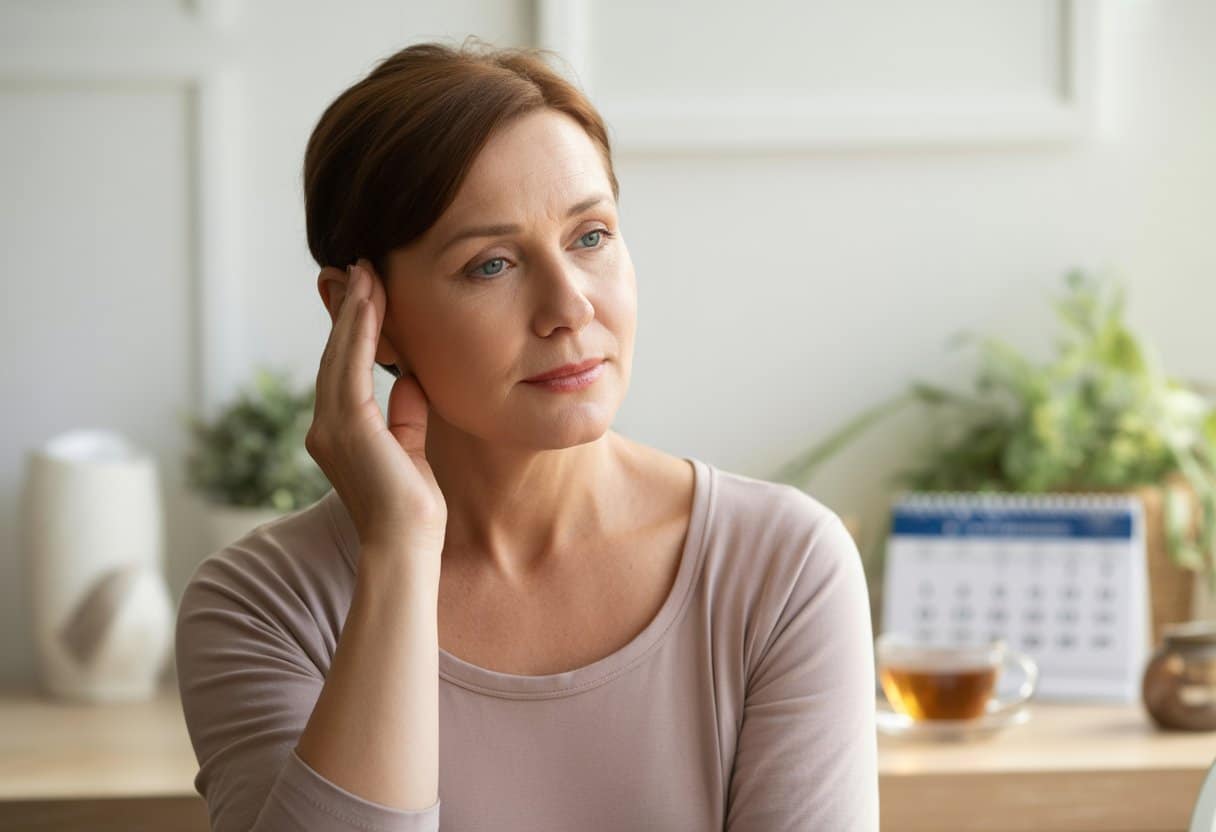
The body’s hormones shift dramatically during perimenopause, causing the ovaries to produce estrogen and progesterone in unpredictable patterns that directly affect ovulation and menstrual cycles.
Fluctuating Hormones During Perimenopause
The body experiences significant hormone swings during this transition period. Estrogen and progesterone levels rise and fall in irregular patterns rather than following the predictable rhythm of reproductive years.
These fluctuations happen because the ovaries begin to function less consistently. One month might bring high hormone levels while the next month shows low levels. This unpredictability explains why many women notice their symptoms and periods vary so much from month to month.
Erratic hormone production[2] can trigger various physical changes. Hot flashes, mood shifts, and sleep problems often result from these hormone swings. The body struggles to adjust to levels that change without warning.
Impact on Ovaries and Ovulation
The ovaries release eggs less frequently during perimenopause. Changes in menstrual periods occur[3] because the ovaries produce hormones erratically and don’t release eggs on a regular schedule.
Ovulation becomes unpredictable as the ovaries age. Some months an egg releases normally while other months no egg releases at all. This irregular ovulation pattern directly affects cycle length and bleeding patterns.
Women can still get pregnant during this time because ovulation still occurs occasionally. The ovaries continue functioning but in a less reliable way than during younger years.
Changes in Estrogen and Progesterone Levels
Estrogen levels swing up and down throughout perimenopause rather than maintaining steady patterns. These shifts cause many of the physical symptoms women experience during this transition.
Progesterone levels become highly unpredictable[2], leading to changes in menstrual patterns. When progesterone drops, periods may become heavier or longer. Lower progesterone can also affect sleep quality and mood stability.
The relationship between these two hormones becomes unbalanced. Estrogen may stay high while progesterone drops low, or both hormones might decline at different rates. This imbalance creates the varied symptoms and cycle changes that mark perimenopause.
Perimenopause Symptoms and Health Effects

Perimenopause brings physical changes like irregular periods and hot flashes, emotional shifts including mood swings and anxiety, and potential long-term risks such as bone loss and heart disease.
Common Physical Symptoms
Irregular periods[1] are usually the first sign of perimenopause. Cycles may become shorter, longer, heavier, or lighter. Some people skip periods entirely for months before they return.
Hot flashes affect many people during this transition. These sudden feelings of heat can last from seconds to several minutes. Night sweats are hot flashes that happen during sleep and can disrupt rest.
Vaginal dryness[4] occurs as estrogen levels drop. This can lead to discomfort during sex and increase the risk of urinary tract infections. Other urinary symptoms include frequent urination and urgency.
Additional physical changes include:
- Headaches that may worsen or occur more often
- Weight gain, especially around the abdomen
- Fatigue and lower energy levels
- Changes in sex drive
- Breast tenderness
Fibroids may grow larger during perimenopause due to hormone fluctuations before shrinking after menopause.
Emotional and Cognitive Changes
Mood swings are common during perimenopause as hormone levels fluctuate. People may feel happy one moment and irritable the next without clear reasons.
Depression and anxiety[5] can develop or worsen during this time. Those with a history of mood disorders may be more vulnerable. Sleep problems from night sweats often make these feelings worse.
Brain fog affects many people in perimenopause. This includes trouble concentrating, memory lapses, and difficulty finding words. Tasks that once felt easy may require more effort.
Irritability can strain relationships at home and work. Small annoyances may feel overwhelming. The combination of physical symptoms, sleep disruption, and hormonal changes all contribute to emotional challenges during this transition.
Long-Term Health Implications
Bone health declines as estrogen levels drop. This hormone helps maintain bone density. Without it, bones lose calcium and become weaker, raising the risk of osteoporosis and fractures.
Heart disease risk increases after menopause. Estrogen provides some protection for the cardiovascular system. As levels fall, cholesterol patterns may shift and blood pressure can rise.
Genitourinary syndrome of menopause (GSM) includes ongoing vaginal and urinary changes. These symptoms often persist or worsen after menopause ends. GSM can cause pain during intercourse, frequent urinary tract infections, and bladder control issues.
Key health risks to monitor:
| Health Area | Risk |
|---|---|
| Bones | Osteoporosis, fractures |
| Heart | High cholesterol, hypertension |
| Urinary system | Infections, incontinence |
| Metabolism | Weight gain, diabetes risk |
Regular health screenings become more important during perimenopause to catch and address these issues early.
Diagnosis and Management of Perimenopause

Doctors typically diagnose perimenopause based on symptoms, age, and menstrual patterns rather than a single test. Treatment focuses on relieving uncomfortable symptoms through hormone therapy, medications, and lifestyle changes tailored to each person’s needs.
How Perimenopause Is Diagnosed
Diagnosing perimenopause[6] relies heavily on a woman’s symptoms, health history, age, and physical exam. Doctors look at the pattern of menstrual cycles and ask about common symptoms like hot flashes or sleep problems.
Blood tests can measure hormone levels, but they aren’t always reliable during perimenopause. Estrogen and progesterone levels fluctuate significantly during this time, so a single test may not provide useful information. Follicle-stimulating hormone (FSH) tests sometimes help, but results can vary from month to month.
Most healthcare providers focus on tracking symptoms and period changes over time. Women who notice irregular periods in their 40s along with other symptoms likely don’t need extensive testing. The diagnosis becomes clear when symptoms align with typical perimenopausal patterns.
Treatment Options and Lifestyle Adjustments
Hormone replacement therapy remains one of the most effective treatments for perimenopause symptoms. This therapy replaces estrogen and often includes progestin to protect the uterus. Women who have had a hysterectomy may take estrogen alone.
Lifestyle adjustments can significantly reduce symptom severity:
- Regular exercise improves mood, sleep quality, and bone health
- Maintaining a healthy weight helps manage hot flashes
- Avoiding triggers like caffeine, alcohol, and spicy foods reduces hot flashes
- Wearing layers allows quick temperature adjustments
- Practicing stress reduction techniques improves overall well-being
Vaginal moisturizers and lubricants help with dryness and discomfort during sex. These products work differently from hormone treatments and are available without a prescription.
Hormone Therapy and Alternative Treatments
Menopause hormone therapy comes in pills, patches, gels, and creams. Low-dose estrogen therapy effectively treats hot flashes, night sweats, and vaginal symptoms. Doctors prescribe the lowest effective dose for the shortest time needed.
Some women cannot take hormone therapy due to health conditions. Antidepressants at low doses help reduce hot flashes and improve mood symptoms. Selective serotonin reuptake inhibitors (SSRIs) work well for many women.
Gabapentin, typically used for seizures and nerve pain, reduces hot flashes in some women. Clonidine, a blood pressure medication, offers another option though it may cause side effects like dry mouth and dizziness.
Cognitive behavioral therapy helps women cope with mood changes, anxiety, and sleep problems during perimenopause. This talk therapy approach teaches practical strategies for managing symptoms without medication.
Frequently Asked Questions

People often have questions about the physical changes, timing, and treatment options during this transitional phase. Understanding the signs, typical age range, and available management strategies can help individuals navigate this natural life stage.
What are the common indicators of perimenopause?
Changes in menstrual cycles[7] are the most common indicators of perimenopause. Periods may become longer or shorter than usual, and some people begin to skip periods entirely. The amount of menstrual flow can become lighter or heavier.
Hot flashes are another frequent sign of perimenopause. These sudden feelings of warmth can occur at any time and may disrupt daily activities or sleep.
Mood changes, sleep problems, and vaginal dryness also indicate perimenopause. Some people experience difficulty concentrating or notice changes in their energy levels during this time.
At what age does perimenopause typically begin?
Perimenopause usually begins in a person’s 30s and 40s[7]. The exact timing varies from person to person based on individual factors.
Most people enter perimenopause in their mid-40s. However, some may notice early signs in their late 30s, while others may not experience changes until their early 50s.
The transition can last several years before menopause occurs. Perimenopause ends when someone has gone 12 consecutive months without a menstrual period.
How can one manage the symptoms associated with perimenopause?
Lifestyle changes can help manage many perimenopause symptoms. Regular exercise, a balanced diet, and adequate sleep support overall well-being during this transition.
Dressing in layers helps manage hot flashes by allowing quick temperature adjustments. Keeping the bedroom cool and using breathable bedding can improve sleep quality.
Stress reduction techniques like meditation, yoga, or deep breathing exercises may ease mood swings and anxiety. Limiting caffeine and alcohol can also reduce hot flashes and improve sleep.
Are there effective treatments available for perimenopause?
Hormone therapy is an effective treatment for managing perimenopause symptoms[8]. It helps balance fluctuating estrogen and progesterone levels that cause many symptoms.
Low-dose birth control pills can regulate irregular periods and reduce hot flashes. These medications work well for people still in their reproductive years.
Non-hormonal medications can treat specific symptoms. Antidepressants may help with mood changes and hot flashes, while vaginal moisturizers address dryness.
What types of supplements may alleviate perimenopause symptoms?
Calcium and vitamin D supplements support bone health during perimenopause. Declining estrogen levels can affect bone density, making these supplements important.
Some people find relief with black cohosh or evening primrose oil. However, the scientific evidence supporting these supplements remains limited.
Omega-3 fatty acids may help with mood changes and inflammation. Anyone considering supplements should discuss options with their healthcare provider first.
How is perimenopause officially diagnosed?
Doctors typically diagnose perimenopause based on symptoms and menstrual history. A detailed conversation about cycle changes and other experiences usually provides enough information.
Blood tests can measure hormone levels but are not always necessary. Estrogen and follicle-stimulating hormone levels fluctuate significantly during perimenopause, making test results less reliable.
No single test confirms perimenopause. Healthcare providers consider age, symptoms, and menstrual patterns together to make a diagnosis.
References
- Perimenopause: Age, Stages, Signs, Symptoms & Treatment. https://my.clevelandclinic.org/health/diseases/21608-perimenopause Accessed November 30, 2025
- Understanding Hormonal Changes During Perimenopause with Hormonella Tracking. https://www.mymenopausecentre.com/hormonal-changes/hormonal-changes-tracking/understanding-hormonal-changes-during-perimenopause/ Accessed November 30, 2025
- Perimenopause. https://menopause.org/patient-education/menopause-topics/perimenopause Accessed November 30, 2025
- Vaginal dryness. https://www.verywellhealth.com/is-this-perimenopause-3522477 Accessed November 30, 2025
- 403 Forbidden. https://healthy.kaiserpermanente.org/southern-california/health-wellness/healtharticle.perimenopause-menopause-symptoms-and-treatment Accessed November 30, 2025
- Attention Required!. https://www.hopkinsmedicine.org/health/conditions-and-diseases/perimenopause Accessed November 30, 2025
- The Menopause Years. https://www.acog.org/womens-health/faqs/the-menopause-years Accessed November 30, 2025
- Perimenopause. https://familydoctor.org/condition/perimenopause/ Accessed November 30, 2025