Your gut microbiome contains trillions of microorganisms that directly influence your digestion, immune system, and mental health. When this complex ecosystem falls out of balance, it can lead to digestive issues, weakened immunity, and even mood problems. The good news is that simple, natural strategies can help restore and optimize your gut health without expensive supplements or extreme measures.
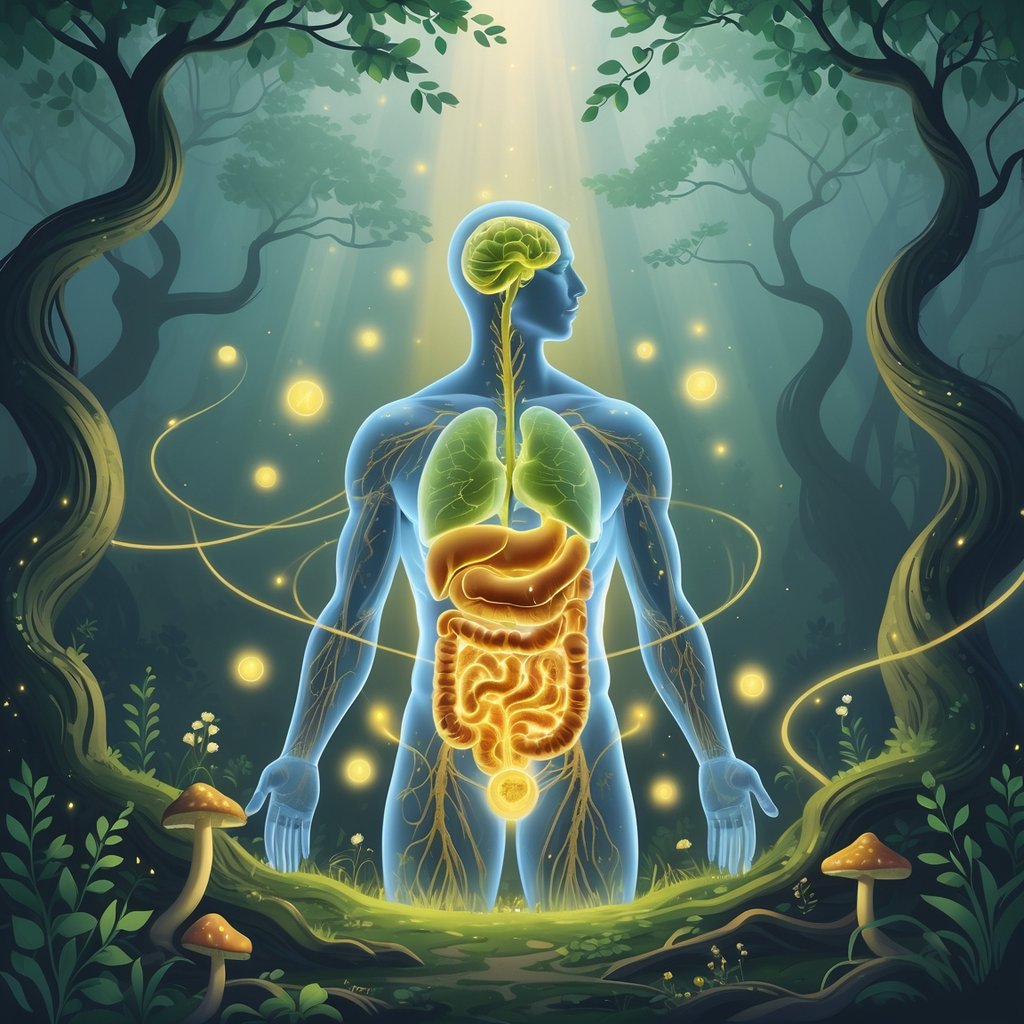
The most effective way to optimize your microbiome naturally involves combining specific dietary choices with targeted lifestyle modifications that support the growth of beneficial bacteria while reducing harmful microorganisms. Research shows that people who eat more than 30 different plant foods per week have significantly more diverse gut bacteria than those who eat fewer varieties. This diversity is key to maintaining a resilient digestive system that can adapt to stress and environmental changes.
Modern life presents unique challenges to gut health through processed foods, stress, and overuse of antibiotics. However, science-backed natural methods[1] can help rebuild a balanced gut microbiome. These biohacks work by feeding beneficial bacteria, reducing inflammation, and strengthening the protective barrier of your intestinal lining. The strategies range from simple dietary swaps to specific hydration techniques that enhance digestion and nutrient absorption.
Key Takeaways
- A balanced gut microbiome requires eating diverse plant foods and fermented items to feed beneficial bacteria
- Lifestyle factors like stress management, sleep quality, and regular exercise directly impact gut health and overall well-being
- Natural biohacks can restore microbiome balance without harsh medications by supporting your body’s existing healing processes
Understanding the Gut Microbiome
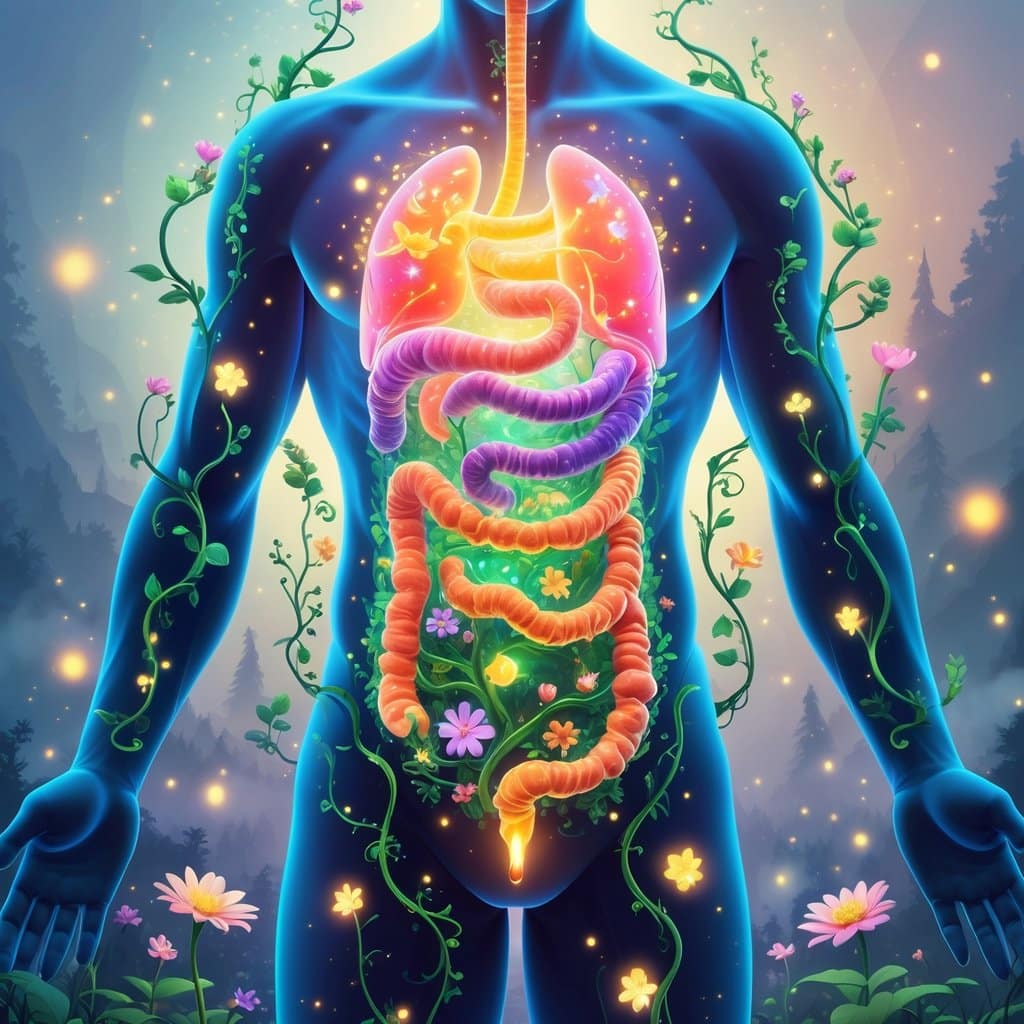
The gut microbiome contains trillions of microorganisms that work together to support digestion, immunity, and overall health. These bacteria, viruses, and fungi perform essential functions while maintaining a delicate balance that directly impacts wellbeing.
What Is the Microbiome?
The gut microbiome refers to the diverse community of bacteria, viruses, and fungi in your intestines[2]. This complex ecosystem weighs about 2-3 pounds in the average adult.
Scientists have identified over 1,000 different bacterial species living in the human gut. The most common types include Bacteroidetes and Firmicutes, which make up about 90% of all gut bacteria.
Each person’s microbiome is unique, like a fingerprint. Factors such as genetics, birth method, diet, and environment shape this microbial community from birth.
The gut microbiota begins developing during birth and continues changing throughout life. Early childhood experiences have the biggest impact on long-term microbiome composition.
Functions of Gut Microorganisms
Gut bacteria perform many vital tasks that the human body cannot do alone. These microbes assist in breaking down food, producing essential vitamins, and defending against harmful pathogens[2].
Key functions include:
- Digestion: Breaking down complex carbohydrates and fiber that human enzymes cannot process
- Vitamin production: Creating vitamin K, B vitamins, and folate
- Immune protection: Fighting harmful bacteria and training immune cells
- Metabolism: Helping regulate blood sugar and fat storage
Good bacteria also produce short-chain fatty acids when they digest fiber. These compounds reduce inflammation and strengthen the gut lining.
The microbiome communicates with the brain through the gut-brain axis. This connection affects mood, stress response, and mental health.
Gut Microbiota Diversity and Balance
A healthy gut microbiome contains many different types of bacteria working in harmony. Higher microbial diversity typically indicates better health outcomes.
Signs of a balanced gut include:
| Healthy Microbiome | Imbalanced Microbiome |
|---|---|
| High bacterial diversity | Low bacterial diversity |
| Stable microbial communities | Frequent changes in bacteria types |
| Good bacteria outnumber harmful ones | Overgrowth of harmful bacteria |
| Strong gut barrier function | Leaky gut symptoms |
Modern lifestyle factors can disrupt this balance. Processed foods, stress, antibiotics, and lack of sleep reduce beneficial bacteria while allowing harmful microbes to multiply.
A balanced gut microbiome supports digestion, strengthens the immune system, and can positively impact mental well-being[2]. People with diverse, stable microbiomes experience better digestion and fewer health problems.
Maintaining gut microbiota diversity requires consistent healthy choices. Regular exposure to different plant foods helps support various bacterial species that each have unique benefits.
Dietary Approaches to Nurture Your Microbiome
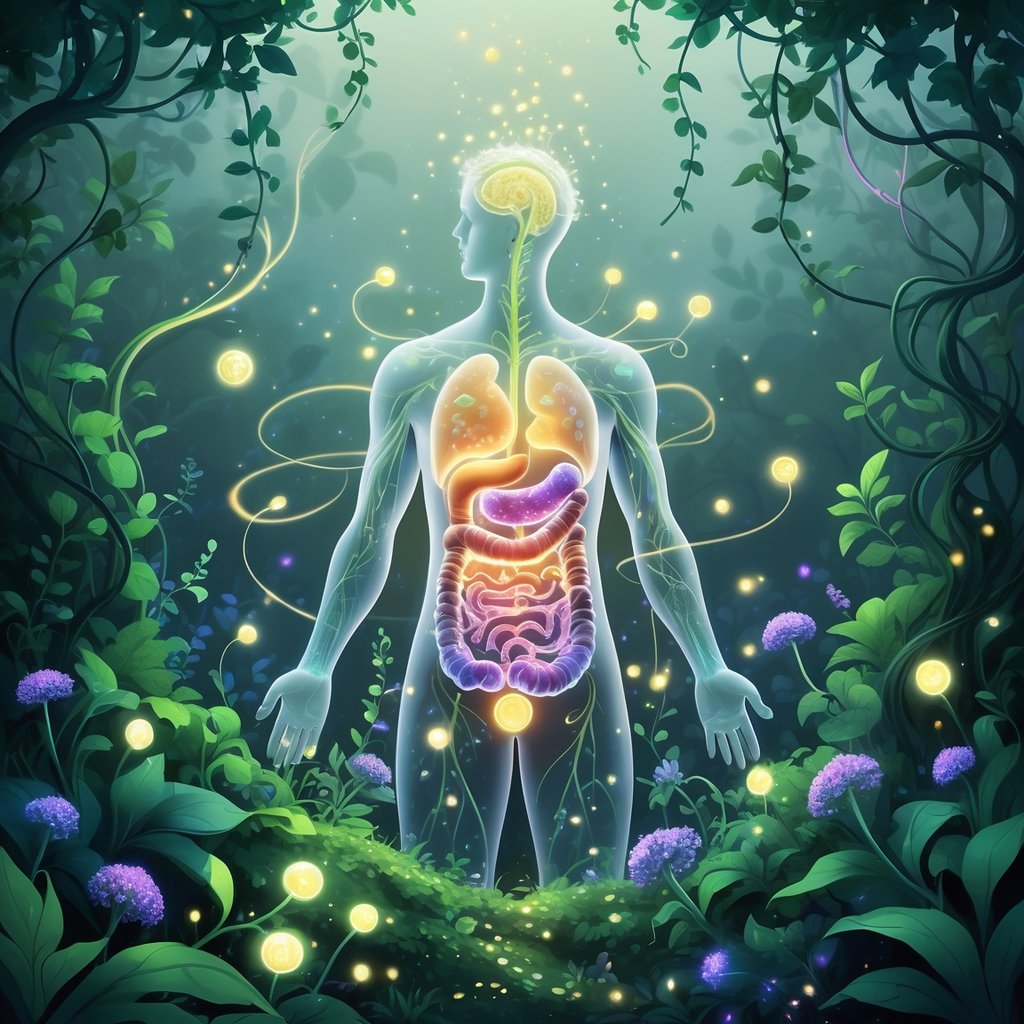
Your gut microbiome thrives on specific nutrients that feed beneficial bacteria[3] and promote digestive wellness. A diet rich in fiber, prebiotics, probiotics, and whole foods creates the foundation for a healthy microbial ecosystem.
Fiber-Rich Foods and Dietary Fiber
Dietary fiber serves as the primary fuel for beneficial gut bacteria. The human digestive system cannot break down fiber, so it reaches the colon intact where bacteria ferment it into beneficial compounds.
Research shows that 30-40 grams of daily fiber[4] supports optimal microbiome function. Most people consume only half this amount, missing crucial opportunities to feed their gut bacteria.
- Vegetables: broccoli, Brussels sprouts, artichokes
- Fruits: apples, pears, berries, bananas
- Nuts and seeds: almonds, chia seeds, flaxseeds
- Root vegetables: sweet potatoes, carrots, beets
Soluble fiber dissolves in water and forms a gel-like substance. This type feeds specific bacteria that produce short-chain fatty acids. These compounds reduce inflammation and strengthen the intestinal barrier.
Insoluble fiber adds bulk to stool and helps food move through the digestive tract. It also provides structure for beneficial bacteria to attach and grow.
Prebiotic Foods for Gut Nourishment
Prebiotics are specific types of fiber that selectively feed beneficial bacteria like bifidobacteria and lactobacillus. These compounds resist digestion in the small intestine and reach the colon unchanged.
Garlic contains inulin, a powerful prebiotic that promotes the growth of beneficial bacteria. Raw garlic provides more prebiotic benefits than cooked varieties.
Onions offer similar prebiotic compounds and can be easily added to meals. Both red and white onions contain beneficial fibers.
- Asparagus: Contains inulin and fructooligosaccharides
- Leeks: Rich in inulin and allicin compounds
- Jerusalem artichokes: Highest inulin content among vegetables
- Chicory root: Concentrated source of prebiotic fiber
- Bananas: Contain resistant starch when slightly green
These foods work by creating an environment where beneficial bacteria can outcompete harmful microbes. Regular consumption helps maintain a diverse and balanced microbiome.
Fermented Foods and Probiotics
Fermented foods contain live beneficial bacteria that directly add to gut microbial diversity. Traditional fermentation processes create unique bacterial strains that support digestive health.
Yogurt with live cultures provides lactobacillus and bifidobacteria strains. Choose varieties without added sugars for maximum benefit.
Kefir offers more bacterial diversity than yogurt. This fermented milk drink contains both bacteria and beneficial yeasts.
Traditional Fermented Options:
- Kimchi: Korean fermented vegetables rich in lactobacillus
- Sauerkraut: Fermented cabbage that supports gut barrier function
- Miso: Japanese soybean paste with beneficial bacteria
- Tempeh: Fermented soybean product with probiotics
- Kombucha: Fermented tea containing bacteria and yeasts
The bacterial strains in fermented foods can temporarily colonize the gut. Regular consumption helps maintain beneficial bacterial populations and supports immune function.
Start with small portions to allow the digestive system to adjust. Gradually increase intake to avoid potential digestive discomfort.
Choosing Whole Grains and Legumes
Whole grains retain their fiber-rich outer layers that feed beneficial gut bacteria. Processing removes these valuable components, reducing their microbiome benefits.
Beneficial Whole Grains:
- Oats: contain beta-glucan fiber
- Quinoa: complete protein with prebiotic fiber
- Brown rice: provides resistant starch
- Barley: high in soluble fiber
Legumes combine protein with prebiotic fibers. They support the growth of bacteria that produce short-chain fatty acids.
Top Legume Choices:
- Lentils: quick-cooking with high fiber content
- Chickpeas: versatile source of prebiotic fiber
- Black beans: rich in anthocyanins and fiber
- Navy beans: high concentration of resistant starch
These foods provide sustained energy while feeding beneficial bacteria. The combination of protein and fiber helps maintain stable blood sugar levels and promotes satiety.
Soaking legumes before cooking can improve digestibility and reduce potential gas production. This preparation method breaks down complex sugars that some people find difficult to digest.
Lifestyle Biohacks to Support Gut Health

Your daily habits directly impact your gut microbiome through multiple pathways. Simple changes to exercise routines, sleep patterns, stress management, and mind-body practices can significantly improve digestive health and microbial diversity.
Physical Activity and Exercise
Regular physical activity creates powerful changes in gut bacteria composition. Exercise increases microbial diversity within just six weeks of starting a routine.
Aerobic exercise produces the strongest gut benefits. Walking, running, cycling, and swimming boost beneficial bacteria like Bifidobacterium and Lactobacillus. These bacteria produce short-chain fatty acids that reduce inflammation.
Strength training also supports gut health but through different mechanisms. Weight lifting improves gut barrier function and reduces harmful bacteria overgrowth.
Exercise timing matters for digestive comfort. Light activity after meals aids digestion, while intense workouts should happen 2-3 hours before or after eating.
Weekly Exercise Guidelines:
- 150 minutes moderate aerobic activity
- 2 strength training sessions
- 10,000 steps daily
- Mix activities to prevent adaptation
Physical activity reduces gut transit time and prevents constipation. It also lowers stress hormones that can disrupt the gut-brain axis.
Quality Sleep and Circadian Rhythm
Sleep quality directly affects gut bacteria balance. Poor sleep reduces beneficial microbes and increases harmful ones within days.
Your circadian rhythm controls digestive processes. Eating late disrupts this natural cycle and harms gut health. The microbiome follows a 24-hour pattern that matches your sleep-wake cycle.
Sleep deprivation increases gut permeability, allowing toxins to enter the bloodstream. This triggers inflammation throughout the body.
Optimal Sleep Practices:
- 7-9 hours nightly
- Consistent bedtime and wake time
- Dark, cool sleeping environment
- No screens 1 hour before bed
- Last meal 3 hours before sleep
Deep sleep stages allow gut bacteria to repair and regenerate. REM sleep specifically supports the gut-brain axis communication network.
Temperature regulation affects both sleep quality and gut function. Keep bedrooms between 65-68°F for optimal rest and digestion.
Managing Stress Levels
Chronic stress disrupts gut bacteria through elevated cortisol and other stress hormones. The gut-brain axis creates a two-way communication system where stress affects digestion and gut problems increase anxiety.
Stress responses reduce beneficial bacteria like Lactobacillus while increasing harmful species. This imbalance contributes to digestive issues and mental health problems.
Effective Stress Management:
- Identify personal stress triggers
- Practice time management
- Set realistic expectations
- Build social support networks
- Take regular breaks from work
Managing stress levels[5] through lifestyle changes shows measurable improvements in gut bacteria within weeks. Stress reduction techniques lower inflammatory markers and improve gut barrier function.
Mental health and digestive health are deeply connected. Addressing stress improves both psychological well-being and gut microbiome diversity.
Mind-Body Practices for a Healthy Gut
Meditation creates measurable changes in gut bacteria composition. Regular practice increases beneficial microbes and reduces inflammatory species.
Deep breathing exercises activate the vagus nerve, which connects the brain to digestive organs. This improves gut motility and reduces stress-related digestive symptoms.
Meditation benefits appear within 8 weeks of consistent practice. Mindfulness meditation specifically supports the gut-brain axis by reducing cortisol and improving emotional regulation.
Journaling helps process emotions and reduces stress that affects digestion. Writing about worries and concerns lowers stress hormones that disrupt gut bacteria.
Yoga Practice Guidelines:
- 20-30 minutes daily
- Focus on twisting poses for digestion
- Include breathing exercises
- Practice consistently for best results
Yoga combines physical movement with mindfulness, providing dual benefits for gut health. Specific poses massage digestive organs and improve blood flow to the intestines.
These mind-body practices work synergistically. Combining meditation with deep breathing or yoga with journaling amplifies the positive effects on gut microbiome diversity and digestive function.
Hydration and Digestion Optimization
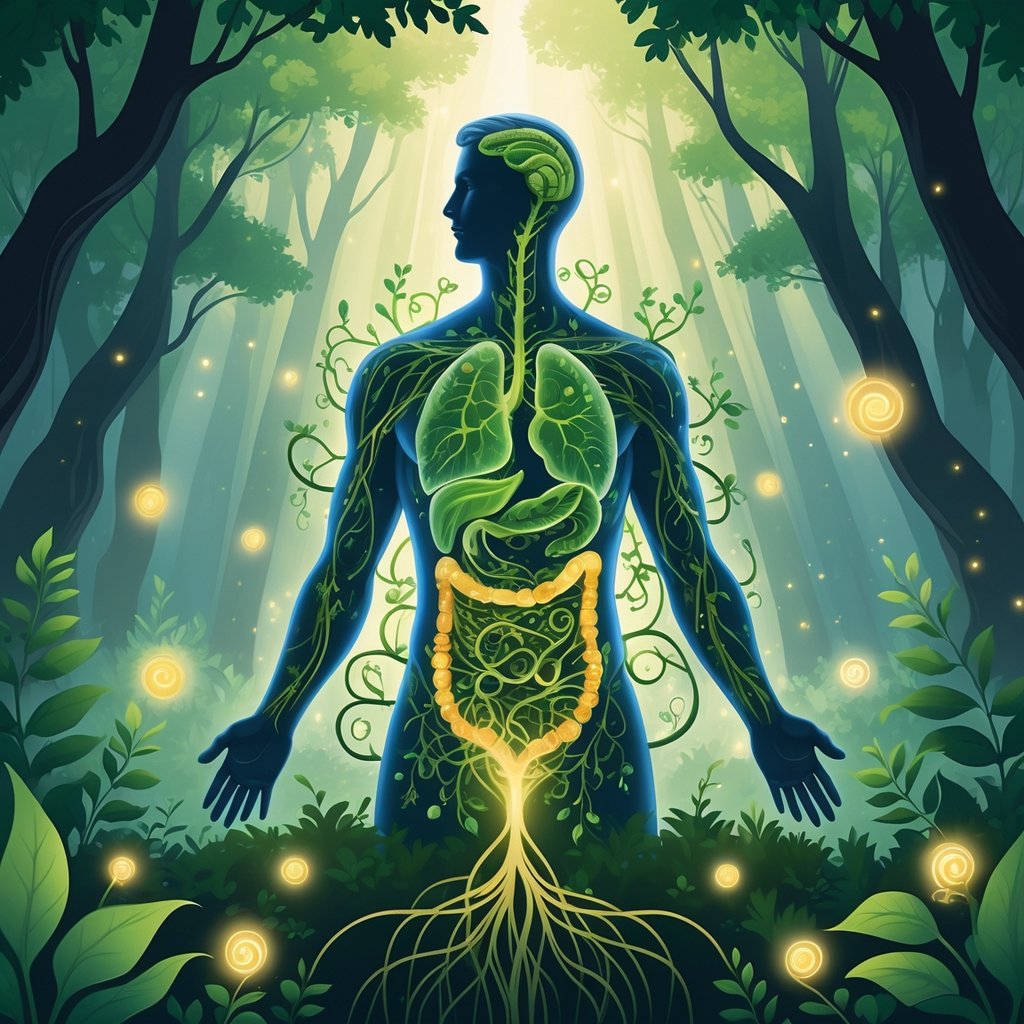
Proper hydration directly impacts digestive function through stomach acid production and gut motility. Strategic water intake timing and electrolyte balance can prevent common issues like constipation and bloating while supporting optimal nutrient absorption.
The Role of Water Intake
Water serves as the foundation for every digestive process in the body. The digestive system requires adequate hydration to produce saliva, stomach acid, and digestive enzymes that break down food effectively.
Key hydration functions include:
- Saliva production for initial carbohydrate breakdown
- Stomach acid activation for protein digestion
- Enzyme function throughout the intestinal tract
- Nutrient transport across intestinal walls
Dehydration slows these processes significantly. When the body lacks sufficient water intake, stomach acid becomes more concentrated and digestive enzymes work less efficiently.
Most adults need 2-3 liters of fluid daily from all sources. This amount increases with exercise, hot weather, or high-fiber diets that require additional water for proper processing.
Poor hydration affects gut function[6] before thirst signals appear. Early signs include harder stools, reduced appetite, and slower digestion after meals.
Enhancing Digestion and Gut Motility
Strategic water timing optimizes digestive function more than total daily intake alone. The timing of hydration affects gut motility and prevents common digestive complaints.
Optimal hydration timing:
- 20-30 minutes before meals – Activates digestive enzymes and prepares the stomach
- Small sips during meals – Supports food breakdown without diluting stomach acid
- Between meals – Maintains consistent hydration levels
Gut motility depends on adequate hydration for peristalsis. These muscle contractions move food through the intestinal tract. Without sufficient water, food moves more slowly, leading to constipation and bloating.
Electrolyte balance enhances water absorption. Adding a pinch of sea salt or lemon to water improves cellular hydration better than plain water alone.
People experiencing diarrhea need electrolyte replacement beyond water. Those with constipation benefit from increased water intake combined with movement to stimulate gut motility.
Chronic dehydration alters gut bacteria composition[6], reducing beneficial microbes that support digestive health.
Substances and Medications Impacting the Microbiome

Multiple substances disrupt gut bacteria balance, with antibiotics reducing beneficial species for months or years. Commonly used medications alter gut microbiome composition[7] beyond their intended effects, while processed foods and additives create inflammatory conditions that harm microbial diversity.
How Antibiotics Affect Gut Flora
Antibiotics eliminate both harmful and beneficial bacteria throughout the digestive system. This broad-spectrum killing creates immediate changes in gut diversity that can persist for months.
Short-term effects include reduced bacterial variety and altered metabolic functions. Many people experience digestive upset, loose stools, or cramping during antibiotic treatment.
Long-term consequences prove more concerning. Research shows antibiotic use affects the gut microbiome for up to a decade[8]. The loss of protective bacteria allows opportunistic pathogens to flourish.
Clostridium difficile infections represent the most serious complication. This harmful bacteria grows rapidly when beneficial microbes are absent. C. diff can cause severe colitis and life-threatening complications.
Recovery strategies include:
- Taking probiotics during and after treatment
- Eating fermented foods daily
- Consuming prebiotic fiber to feed remaining good bacteria
- Avoiding unnecessary antibiotic courses
Impacts of Processed Foods and Additives
Processed foods contain multiple ingredients that damage gut bacteria composition. These substances reduce microbial diversity and promote inflammation in the intestinal lining.
Artificial sweeteners like aspartame and sucralose alter bacterial ratios. They increase harmful bacteria while reducing beneficial species that produce important metabolites.
Food emulsifiers found in ice cream, bread, and packaged foods thin the protective mucus layer. This thinning allows bacteria to reach intestinal walls, triggering immune responses.
High sugar content feeds pathogenic bacteria and yeast species. These organisms multiply rapidly, crowding out beneficial microbes that support digestive health.
Preservatives and additives act as antimicrobial agents inside the gut. They continue killing bacteria after consumption, disrupting the delicate microbial ecosystem.
Intestinal permeability increases when processed foods damage the gut barrier. This condition, often called leaky gut, allows toxins and undigested particles to enter the bloodstream.
Proton Pump Inhibitors and Gut Health
Proton pump inhibitors reduce stomach acid production to treat heartburn and ulcers. However, PPI-induced changes in gut bacteria can lead to decreased colonization resistance[7] against harmful pathogens.
Acid suppression alters the stomach’s natural bacterial filtering system. Normally, stomach acid kills most ingested bacteria before they reach the intestines.
Bacterial overgrowth occurs when acid levels drop significantly. PPI users show greater abundance of upper digestive tract bacteria[9] that normally cannot survive in acidic conditions.
Infection risks increase substantially with long-term PPI use. Patients face higher rates of Clostridium difficile infections, foodborne illnesses, and small intestinal bacterial overgrowth.
Nutrient absorption suffers when stomach acid remains low. The body cannot properly break down proteins or absorb minerals like iron, calcium, and vitamin B12.
Alternatives to long-term PPI use include dietary modifications, stress reduction, and addressing underlying causes of acid reflux rather than suppressing symptoms.
Gut Health, Immunity, and Beyond
Your gut microbiome directly controls immune function and inflammatory responses throughout your body. The gut barrier acts as the first line of defense against harmful pathogens while allowing beneficial nutrients to pass through.
The Gut-Immune System Connection
About 70% of the immune system lives in the gut. The gut lining contains specialized immune cells that communicate directly with beneficial bacteria.
These immune cells learn to distinguish between helpful and harmful microorganisms. When the microbiome is balanced, immune function operates optimally[10].
Key immune functions controlled by gut bacteria:
- Antibody production
- T-cell development
- Natural killer cell activity
- Cytokine regulation
Beneficial bacteria produce short-chain fatty acids that strengthen the gut barrier. These compounds help maintain tight junctions between intestinal cells.
When gut bacteria diversity decreases, immune responses become less effective. This leaves the body vulnerable to infections and autoimmune reactions.
Microbiome and Inflammation
An imbalanced microbiome can lead to chronic inflammation[11] that affects multiple body systems. Harmful bacteria release toxins that trigger inflammatory pathways.
The gut barrier becomes permeable when inflammation increases. This allows undigested food particles and bacterial toxins to enter the bloodstream.
Common inflammatory markers affected by gut health:
- C-reactive protein (CRP)
- Interleukin-6 (IL-6)
- Tumor necrosis factor (TNF-alpha)
- Nuclear factor kappa B (NF-κB)
Beneficial bacteria produce anti-inflammatory compounds that reduce these markers. Lactobacillus and Bifidobacterium strains are particularly effective at controlling inflammation.
Chronic gut inflammation contributes to conditions like arthritis, heart disease, and metabolic disorders. Restoring bacterial balance helps reduce systemic inflammation throughout the body.
Gut Disorders and Sensitivities
Irritable bowel syndrome affects the gut-brain axis and bacterial composition. People with IBS often have reduced bacterial diversity and increased inflammation.
Lactose intolerance occurs when the gut lacks sufficient lactase enzyme production. Some beneficial bacteria can help break down lactose and reduce symptoms.
Common gut-related conditions:
| Condition | Primary Cause | Microbiome Impact |
|---|---|---|
| IBS | Gut-brain dysfunction | Reduced diversity |
| Lactose intolerance | Enzyme deficiency | Altered fermentation |
| Food sensitivities | Immune reactions | Barrier dysfunction |
| SIBO | Bacterial overgrowth | Location imbalance |
Food sensitivities often develop when the gut barrier becomes compromised. Undigested proteins trigger immune responses that create ongoing inflammation.
Certain bacterial strains help repair the gut lining and reduce sensitivity reactions. Targeted probiotic therapy can restore normal immune tolerance to foods.
Advanced Strategies for a Resilient Microbiome
Building a robust gut ecosystem requires targeted interventions that go beyond basic dietary changes. Specific timing windows for food restriction can boost bacterial variety, while precise probiotic strains address individual microbiome gaps.
Intermittent Fasting for Microbial Diversity
Intermittent fasting creates powerful shifts in gut bacterial composition through controlled nutrient cycling. Research shows that 16-hour fasting windows allow beneficial bacteria to flourish while reducing harmful microbes.
The fasting state triggers autophagy in gut cells. This process clears damaged tissue and creates space for diverse bacterial colonies to establish themselves.
Key Fasting Protocols:
- 16:8 Method: Eat within 8 hours, fast for 16 hours
- 5:2 Approach: Normal eating 5 days, restricted calories 2 days
- 24-hour fasts: Once weekly for advanced practitioners
Fasting also increases short-chain fatty acid production. These compounds feed good bacteria and strengthen the intestinal barrier.
The timing matters significantly for optimizing gut microbiome diversity[12]. Most people see bacterial changes within 2-3 weeks of consistent fasting schedules.
Supplementing with Targeted Probiotics
Generic probiotic supplements often fail because they don’t match individual bacterial needs. Targeted supplementation focuses on specific strains that research shows provide measurable benefits.
High-Impact Probiotic Strains:
| Strain | Primary Benefit | Recommended Dose |
|---|---|---|
| Bifidobacterium longum | Reduces inflammation | 10-50 billion CFU |
| Lactobacillus rhamnosus | Supports immune function | 10-20 billion CFU |
| Lactobacillus plantarum | Strengthens gut barrier | 10-30 billion CFU |
Bifidobacterium strains work especially well for people with digestive issues. These bacteria produce compounds that calm intestinal inflammation and improve nutrient absorption.
Lactobacillus species excel at crowding out harmful microbes. They create acidic environments that prevent pathogenic bacteria from establishing colonies.
Timing and Delivery Methods:
- Take probiotics on an empty stomach for maximum survival
- Rotate different strains every 2-3 months
- Choose enteric-coated capsules to bypass stomach acid
Emerging Biohacks and Testing
Modern gut health optimization relies on data-driven approaches that track bacterial changes in real time. Advanced microbiome testing reveals specific bacterial deficiencies[13] that targeted interventions can address.
Continuous glucose monitors help identify foods that disrupt gut bacteria. Blood sugar spikes often correlate with harmful bacterial overgrowth patterns.
Cutting-Edge Testing Methods:
- DNA sequencing of stool samples every 3-4 months
- Organic acid tests to measure bacterial metabolites
- SIBO breath tests for small intestine bacterial overgrowth
Cold exposure therapy shows promise for increasing microbial diversity. Brief cold water immersion activates the vagus nerve, which directly communicates with gut bacteria.
Targeted prebiotic fibers feed specific good bacteria strains. Resistant starch benefits Bifidobacterium, while inulin supports Lactobacillus growth.
Advanced Supplementation:
- Postbiotic compounds that bypass the need for live bacteria
- Bacteriophage therapy to eliminate specific harmful strains
- Personalized prebiotic blends based on individual testing results
Frequently Asked Questions

People often have specific questions about natural gut health improvement methods and identifying microbiome imbalances. The following answers address common concerns about probiotics, dietary changes, supplements, and warning signs of poor gut health.
What natural remedies can improve gut health?
Fermented foods provide live beneficial bacteria that support microbiome balance. Yogurt, kefir, sauerkraut, and kimchi contain natural probiotics that help restore gut health.
Prebiotic-rich foods feed good bacteria already in the digestive system. Garlic, onions, bananas, and asparagus contain fibers that promote the growth and activity of helpful microbes[2].
Regular physical activity increases gut bacteria diversity. Exercise boosts gut motility and reduces inflammation[2] throughout the digestive tract.
Stress management techniques protect the gut from harmful effects of chronic tension. Meditation, deep breathing exercises, and spending time outdoors help maintain healthy digestive function.
What are the signs that indicate an unhealthy gut?
Digestive issues like bloating, gas, constipation, or diarrhea often signal microbiome imbalance. These symptoms may occur regularly rather than occasionally.
Frequent infections or slow recovery from illness can indicate weakened gut immunity. The digestive system houses about 70% of the immune system.
Skin problems including acne, eczema, or rashes may reflect internal gut inflammation. The gut-skin connection shows how internal health affects external appearance.
Mood changes, anxiety, or brain fog can result from poor gut health. The gut produces neurotransmitters that affect mental well-being and cognitive function.
Food cravings, especially for sugar or processed foods, may indicate harmful bacteria overgrowth. Bad bacteria thrive on refined sugars and simple carbohydrates.
Which probiotics are most effective for enhancing gut health?
Lactobacillus strains help with lactose digestion and support immune function. These bacteria are commonly found in yogurt and fermented dairy products.
Bifidobacterium species improve digestion and may reduce inflammation in the gut. They are particularly beneficial for maintaining healthy bowel movements.
Saccharomyces boulardii is a beneficial yeast that helps prevent antibiotic-associated diarrhea. This probiotic survives stomach acid better than many bacterial strains.
Multi-strain probiotics often provide broader benefits than single-strain supplements. Different bacterial types work together to support various aspects of gut health.
Probiotic effectiveness varies between individuals based on their unique microbiome composition. Personalized approaches through microbiome testing[2] can identify which strains work best.
Can you use vitamins to promote a healthier gut microbiome?
Vitamin D supports gut barrier function and immune regulation. Many people with digestive issues have low vitamin D levels.
B vitamins help beneficial bacteria produce energy and maintain healthy metabolism. Some gut bacteria actually produce B vitamins for the body to use.
Vitamin C acts as an antioxidant that reduces gut inflammation. It also supports the growth of beneficial bacteria while inhibiting harmful strains.
Zinc helps maintain the intestinal barrier and supports immune function. This mineral is essential for proper wound healing in the gut lining.
Omega-3 fatty acids reduce inflammation and support the growth of beneficial bacteria. These healthy fats help maintain the gut barrier integrity.
What are the most effective dietary changes to support gut health?
Increasing fiber intake feeds beneficial bacteria and promotes regular bowel movements. Most adults need 25-35 grams of fiber daily from various plant sources.
Reducing processed foods eliminates additives that can harm the microbiome. Processed foods and sugar disrupt the balance of gut bacteria[11].
Adding diverse plant foods provides different types of fiber and nutrients. Each plant type feeds different bacterial strains in the gut.
Limiting artificial sweeteners protects beneficial bacteria from damage. Some artificial sweeteners can kill good bacteria and promote harmful growth.
Eating mindfully improves digestion and nutrient absorption. Chewing thoroughly and eating without distractions[2] supports healthy gut function.
What does the ‘3 Fs’ concept entail for maintaining optimal gut health?
The 3 Fs refer to Fiber, Fermented foods, and avoiding Food additives. This simple framework helps people remember key dietary principles for gut health.
Fiber comes from fruits, vegetables, whole grains, and legumes. These plant foods provide prebiotics that feed beneficial gut bacteria.
Fermented foods include yogurt, kefir, sauerkraut, kimchi, and kombucha. These foods contain live probiotics that add beneficial bacteria to the gut.
Avoiding food additives means limiting processed foods with artificial preservatives, colors, and sweeteners. These chemicals can disrupt the natural balance of gut bacteria.
References
- How to Improve Gut Health Naturally: 15 Science-Backed Methods – GutNow. https://www.gutnow.com/medical-treatments/how-to-improve-gut-health-naturally-15-science-backed-methods/ Accessed November 30, 2025
- Top 7 Gut Microbiome Biohacks to Improve Your Health in 2025 – InnerBuddies. https://www.innerbuddies.com/blogs/gut-health/top-7-gut-microbiome-biohacks-to-improve-your-health-in-2025 Accessed November 30, 2025
- Just a moment.... https://seed.com/cultured/gut-health-diet/ Accessed November 30, 2025
- The Ultimate Gut Health Diet: How to Optimize Your Microbiome. https://bannerpeakhealth.com/gut-health-diet/ Accessed November 30, 2025
- Biohacking Gut Health: The Scientific Optimization Guide. https://outliyr.com/biohacking-gut-health-tips Accessed November 30, 2025
- 6 Hydration Tips for Better Digestion That Actually Work. https://www.altruvawellness.com/nutrition/hydration-tips-for-better-digestion Accessed November 30, 2025
- Interaction between drugs and the gut microbiome. https://pmc.ncbi.nlm.nih.gov/articles/PMC7398478/ Accessed November 30, 2025
- Research shows antibiotic use affects the gut microbiome for up to a decade. https://www.prevention.com/health/a69044439/medications-gut-microbiome-changes-study/ Accessed November 30, 2025
- 18 Common Drugs Tied to Altered Gut Microbiome. https://www.medpagetoday.com/gastroenterology/generalgastroenterology/82893/ Accessed November 30, 2025
- Unlocking the Gut-Health Connection: Your Guide to Microbiome Transformation. https://blog.princetonih.com/pih-wellness-tips/unlocking-the-gut-health-connection-your-guide-to-microbiome-transformation Accessed November 30, 2025
- 8 ways to Heal your Gut microbiome — Dr. Christina Sahni. https://www.drcsahni.com/healthblog/heal-your-gut-microbiome Accessed November 30, 2025
- The Gut-Longevity Axis: Optimizing Your Microbiome for a Longer Healthspan. https://biohackjournal.com/gut-microbiome-longevity/ Accessed November 30, 2025
- Advanced Gut Health Optimization for Biohackers. https://www.snifr.ai/post/advanced-gut-health-optimization-for-biohackers Accessed November 30, 2025