Biohackers understand that optimizing recovery is just as important as pushing performance limits. The right recovery tools can dramatically reduce muscle soreness, improve sleep quality, and accelerate tissue repair between training sessions. Modern recovery technology offers biohackers everything from AI-powered massage guns to compression therapy systems that can cut recovery time in half.
Recovery tools have evolved far beyond basic foam rollers and ice baths. Today’s best muscle recovery tools for 2025[1] include percussion massage devices, pneumatic compression systems, infrared therapy panels, and electrostimulation units. These advanced modalities target different aspects of the recovery process, from improving circulation to reducing inflammation at the cellular level.
The key to effective recovery lies in understanding which tools work best for specific goals and how to integrate them strategically. Elite athletes are increasingly choosing between compression boots and massage guns[2] based on their training demands and recovery needs. Smart biohackers combine multiple modalities to create comprehensive recovery protocols that address muscle tension, circulation, inflammation, and nervous system recovery.
Key Takeaways
- Advanced recovery tools can reduce muscle soreness and cut recovery time significantly when used strategically
- Different modalities like compression therapy, percussion massage, and thermal treatments target specific aspects of the recovery process
- Combining multiple recovery tools creates more effective protocols than relying on a single device or method
Why Effective Recovery Matters for Biohackers
Proper recovery directly impacts muscle repair speed, performance gains, and long-term health outcomes. Biohackers who optimize their recovery protocols experience faster healing, reduced inflammation, and better adaptation to training stress.
The Science of Muscle Recovery
Muscle recovery involves complex biological processes that occur at the cellular level. During exercise, muscle fibers develop microscopic tears that require specific nutrients and conditions to repair properly.
The body activates protein synthesis pathways within 24-48 hours after exercise. This process rebuilds damaged muscle tissue stronger than before. Blood flow increases to deliver oxygen and nutrients while removing metabolic waste products.
Key Recovery Phases:
- Immediate (0-2 hours): Inflammation begins, blood flow increases
- Short-term (2-24 hours): Protein synthesis peaks, muscle soreness develops
- Long-term (24-72 hours): Tissue remodeling, strength gains occur
Sleep plays a critical role during these phases. Growth hormone release peaks during deep sleep stages, directly supporting muscle repair mechanisms.
Temperature regulation also affects recovery speed. Cold therapy reduces inflammation and muscle soreness[3] while heat therapy improves blood circulation to damaged tissues.
Impact on Performance and Longevity
Inadequate recovery creates a cascade of negative effects that compound over time. Performance plateaus occur when muscles cannot adapt properly to training stimuli.
Chronic under-recovery leads to elevated cortisol levels and systemic inflammation. These conditions impair immune function and increase injury risk significantly.
Performance Metrics Affected by Poor Recovery:
- Power output decreases by 15-25%
- Reaction time slows by 8-12%
- Endurance capacity drops by 10-20%
- Mental focus deteriorates
Biohackers who prioritize recovery see measurable improvements in multiple areas. Advanced recovery tools and techniques[3] help maintain consistent training intensity while reducing fatigue accumulation.
Recovery optimization supports longevity through reduced cellular damage. Proper recovery protocols minimize oxidative stress and preserve telomere length over time.
Common Recovery Challenges for Biohackers
Time constraints represent the biggest obstacle for most biohackers. Busy schedules often push recovery protocols to the bottom of priority lists.
Many biohackers focus exclusively on training intensity while neglecting recovery quality. This approach creates an imbalance that limits progress and increases burnout risk.
Frequent Recovery Mistakes:
- Insufficient sleep duration (less than 7-8 hours)
- Inadequate protein intake for muscle repair
- Ignoring early signs of overtraining
- Inconsistent recovery routines
Technology dependence can also create problems. Some biohackers rely too heavily on devices without understanding underlying recovery principles.
Pain relief becomes a challenge when muscle soreness persists beyond normal timeframes. Chronic soreness often indicates inadequate recovery protocols or underlying health issues.
Workout recovery timing affects results significantly. Biohackers who delay recovery interventions miss optimal windows for adaptation and repair processes.
Cutting-Edge Recovery Tools Overview
Modern recovery technology spans five main categories, each targeting specific aspects of muscle repair and stress reduction. Biohackers need tools that deliver measurable results through data tracking and customizable settings.
Understanding Recovery Tools Categories
Recovery tools now span smart gadgets, physical products[4] including massage guns, compression boots, and digital apps for enhanced healing. The landscape has evolved beyond basic foam rollers to sophisticated devices that provide targeted therapy.
Percussive Therapy Tools include massage guns and vibrating devices that deliver rapid pulses to muscle tissue. These tools increase blood flow and break up muscle knots through controlled mechanical stimulation.
Compression Technology encompasses pneumatic boots, sleeves, and garments that apply graduated pressure. The compression helps move metabolic waste from muscles while delivering fresh oxygen and nutrients.
Thermal Therapy Devices feature infrared panels, sauna blankets, and cold plunge systems. Temperature-based treatments trigger physiological responses that accelerate cellular repair processes.
Recovery Tracking Wearables monitor sleep quality, heart rate variability, and strain levels. These devices provide data-driven insights for optimizing recovery timing and intensity.
Targeted Recovery Accessories include cupping devices, lacrosse balls, and specialized rollers. These tools allow precise treatment of specific muscle groups and trigger points.
Key Selection Criteria for Biohackers
Biohackers require recovery tools that blend advanced technology[4] with measurable outcomes and customizable parameters. The most effective tools offer multiple intensity levels and programmable settings.
Data Integration Capabilities allow devices to sync with health tracking platforms and mobile apps. This connectivity enables users to correlate recovery metrics with performance outcomes and adjust protocols accordingly.
Treatment Customization Options include variable speeds, pressures, temperatures, and timing protocols. Advanced tools offer preset programs for different muscle groups while allowing manual adjustments.
Portability and Battery Life determine practical usage patterns for busy biohackers. Compact designs with extended battery performance enable consistent recovery routines regardless of location.
Clinical Backing and Safety Features ensure tools deliver proven therapeutic benefits without risk of injury. Look for devices with automatic shutoff mechanisms and pressure limiting controls.
Multi-Modal Functionality combines different recovery methods in single devices. Tools that integrate vibration, heat, and compression provide comprehensive treatment options while reducing equipment needs.
Percussion Massage Guns: Power Tools for Deep Recovery
Percussion massage guns deliver rapid bursts of pressure that penetrate deep into muscle tissue, increasing blood flow and breaking up knots more effectively than traditional massage methods. These devices offer adjustable intensity levels and specialized attachments that target specific muscle groups for personalized recovery protocols.
How Percussion Therapy Accelerates Recovery
Percussion therapy works by delivering 2,000 to 3,200 pulses per minute directly into muscle tissue. This rapid stimulation triggers increased blood circulation to the targeted area.
The enhanced blood flow brings fresh oxygen and nutrients to damaged muscle fibers. It also helps remove metabolic waste products like lactic acid that cause soreness and stiffness.
Research shows percussion therapy can reduce muscle tension by up to 30% after just five minutes of use. The mechanical pressure helps break up fascial adhesions and trigger points that limit range of motion.
Key recovery benefits include:
- Reduced inflammation in treated areas
- Faster removal of metabolic waste
- Improved flexibility and range of motion
- Decreased muscle soreness duration
The vibrations also stimulate mechanoreceptors in the skin and muscles. This activation can help override pain signals through the gate control theory, providing immediate relief.
Comparing Top Models: Theragun Pro Plus, Therabody, Hypervolt Go
The Theragun Pro Plus offers professional-grade performance[5] with 60 pounds of stall force and a 2.2-pound weight. It features an ergonomic triangle handle and five speed settings ranging from 1,750 to 2,400 percussions per minute.
Therabody’s devices provide consistent deep tissue power with noise levels between 35-55 decibels. The brand’s massage guns include four interchangeable head attachments and up to 8 hours of battery life.
The Hypervolt Go weighs just 1.5 pounds, making it ideal for travel and extended use sessions. It delivers 3,200 percussions per minute with three speed settings and operates at 40-60 decibels.
| Model | Weight | Stall Force | Battery Life | Noise Level |
|---|---|---|---|---|
| Theragun Pro Plus | 2.2 lbs | 60 lbs | 2 hours | Not listed |
| Therabody Prime | 2.2 lbs | 30 lbs | 2 hours | 35-55 dB |
| Hypervolt Go | 1.5 lbs | 35 lbs | 3 hours | 40-60 dB |
Best Use Practices and Safety Tips
Start with the lowest intensity setting and gradually increase pressure as muscles adapt to the treatment. Limit sessions to 2-3 minutes per muscle group to prevent overstimulation and potential bruising.
Pre-workout protocol: Use for 30-60 seconds on each target muscle group to increase circulation and prepare tissues for activity. Focus on areas that typically feel tight or restricted.
Post-workout protocol: Wait 30-60 minutes after exercise before applying percussion therapy. Target areas that feel sore or tense for 1-2 minutes each.
Avoid using massage guns directly on bones, joints, or areas with acute injuries. Never apply pressure to the neck, spine, or any area with numbness or tingling sensations.
Maintain the device perpendicular to the muscle surface for optimal force transmission. Move the gun slowly across the treatment area rather than keeping it stationary in one spot.
Replace worn attachments regularly to maintain effectiveness and hygiene. Clean attachments with antibacterial wipes after each use to prevent bacterial buildup.
Compression Boots and Compression Therapy Devices
Compression boots use controlled air pressure to massage legs and improve blood flow after workouts. The Hyperice Normatec 3 leads the market with advanced pneumatic compression that mimics natural muscle contractions.
How Compression Boots Boost Circulation and Recovery
Compression boots work by using air pressure[6] to control blood circulation in the legs. The devices fill chambers with air in a specific sequence, starting from the feet and moving upward.
This process temporarily limits blood flow to compressed areas. When the chambers deflate, blood rushes back through the tissues with fresh nutrients and oxygen.
Key circulation benefits include:
- Enhanced lymphatic drainage
- Reduced muscle soreness
- Faster waste product removal
- Improved nutrient delivery
The compression therapy creates a massage-like effect that many users find relaxing. Most devices operate between 30-110 mmHg of pressure to ensure safety.
Research shows mixed results for long-term recovery benefits. However, studies suggest compression therapy provides short-term relief from exercise-induced muscle damage.
Athletes often use these devices for 20-60 minutes after intense training sessions. The gentle squeezing action helps reduce inflammation and promotes faster healing.
Leading Devices: Hyperice Normatec 3
The Hyperice Normatec 3 system offers full-body compression therapy[6] with attachments for legs, hips, and arms. This versatility makes it popular among serious athletes and biohackers.
Normatec 3 specifications:
- Pressure range: 30-110 mmHg across 7 levels
- Battery life: Up to 3 hours per session
- Attachments: Legs, hips, arms available
- Control: Hyperice app connectivity
The system can treat two body parts simultaneously. Users can combine leg and arm treatments or alternate between different areas during longer sessions.
Professional sports teams and physical therapy clinics commonly use Normatec devices. The technology provides consistent, controlled compression that would be difficult to achieve manually.
The hip attachment addresses areas that traditional leg-only boots cannot reach. This makes the Normatec 3 particularly effective for runners and cyclists who need comprehensive lower body recovery.
Setup takes minutes with simple zip-on sleeves and intuitive controls.
Classic and Modern Manual Recovery Tools
Manual recovery tools combine proven techniques with modern technology to target muscle tension and improve mobility. These tools range from basic foam rollers to smart devices that track pressure and movement patterns.
Foam Rollers: Traditional and Smart Options
Traditional foam rollers remain the foundation of self-massage therapy. Dense foam rollers provide firm pressure for deep tissue work, while softer options suit beginners or sensitive areas.
Standard foam rollers cost between $15-50 and last for years with proper care. They work by applying pressure to trigger points and breaking up muscle adhesions.
Smart foam rollers now include vibration features and app connectivity. The Hyperice Vyper series vibrates at different frequencies to enhance muscle relaxation. These devices cost $200-400 but offer guided routines through smartphone apps.
Textured rollers feature ridges and bumps that target specific muscle knots. Grid-pattern rollers mimic massage therapist techniques by varying pressure across the muscle surface.
Key foam roller types include:
- Smooth rollers: Best for beginners and general use
- Textured rollers: Target specific trigger points
- Vibrating rollers: Combine pressure with vibration therapy
- Travel rollers: Compact designs for portability
Athletes should choose roller firmness based on pain tolerance and muscle density. Harder rollers penetrate deeper but may cause discomfort for new users.
Massage Balls and Massage Rollers
Massage balls provide targeted pressure for small muscle groups and hard-to-reach areas. Standard lacrosse balls cost under $5 and effectively release tension in feet, shoulders, and glutes.
Textured massage balls feature spikes or ridges for deeper pressure. These work well on plantar fascia and between shoulder blades where precise targeting matters.
Massage roller sticks offer controlled pressure with handles on both ends. Users can adjust force and angle while working on calves, IT bands, and forearms. These tools cost $20-60 and provide better leverage than foam rollers for some areas.
Vibrating massage balls combine traditional pressure with oscillation. Devices like the Hyperice Hypersphere deliver up to 3200 vibrations per minute to enhance muscle relaxation.
Popular massage ball options:
- Lacrosse balls: Firm, affordable, versatile
- Peanut balls: Double-ball design for spine work
- Spiked balls: Textured surface for trigger points
- Vibrating spheres: Battery-powered with multiple speeds
These tools excel at targeting specific knots that foam rollers might miss[7].
Targeted Foam Rolling Strategies
Effective foam rolling requires proper technique and timing. Users should roll slowly, spending 30-60 seconds on each muscle group while maintaining steady pressure.
Pre-workout rolling prepares muscles by increasing blood flow and mobility. Light pressure for 30 seconds per area works best before training sessions.
Post-workout rolling focuses on pain relief and recovery. Longer sessions of 60-90 seconds per muscle group help reduce soreness and improve flexibility.
Target these key areas for maximum benefit:
- IT Band: Roll from hip to knee with body weight
- Calves: Work from ankle to knee in slow passes
- Quads: Focus on outer and inner portions separately
- Glutes: Use cross-friction patterns for deeper release
Pain levels should stay between 6-7 out of 10 during rolling. Excessive pressure can cause muscle guarding and reduce effectiveness.
Progressive rolling involves starting with lighter pressure and gradually increasing intensity as muscles adapt. This approach prevents injury while maximizing results.
Combining different recovery tools[8] in sequence enhances overall effectiveness. Many athletes use massage balls for trigger points followed by foam roller work for broader muscle coverage.
Advanced Modalities: Heat, Cold, and Light Therapies
Temperature-based therapies and light treatments offer biohackers precise tools to control inflammation, circulation, and cellular repair. These modalities work through specific biological pathways that trigger measurable recovery responses.
Temperature-Based Recovery: Hot, Cold, and Contrast Therapy
Cold therapy reduces inflammation and muscle damage when applied within 20 minutes after exercise. Ice baths and cryotherapy chambers lower tissue temperature to 50-59°F, which slows cellular metabolism and reduces swelling.
Cold Therapy Benefits:
- Decreases muscle soreness by 20-30%
- Reduces inflammatory markers
- Speeds recovery between training sessions
Heat therapy increases blood flow and muscle flexibility. Heat therapy boosts circulation and muscle strength by up to 17%[9] when applied at temperatures between 104-113°F.
Hot therapy works best for chronic pain and stiff muscles. It helps deliver nutrients to damaged tissue and removes waste products from cells.
Contrast therapy alternates between hot and cold water[10] to create a pumping effect in blood vessels. This method reduces muscle soreness more effectively than single-temperature treatments.
A typical contrast protocol involves 3-4 minutes in hot water followed by 30-60 seconds in cold water. Repeat this cycle 3-4 times for best results.
The Rise of Infrared Sauna Blankets
Infrared sauna blankets deliver targeted heat therapy without the space requirements of traditional saunas. These portable devices use far-infrared wavelengths to penetrate 1.5 inches into tissue.
The blankets operate at temperatures between 110-170°F. Users typically session for 30-45 minutes to trigger heat shock protein production.
Key Features to Look For:
- EMF shielding technology
- Temperature control range
- Easy-clean interior materials
- Timer functions
Infrared heat activates heat shock proteins that help repair damaged cells. Regular use may improve cardiovascular function and reduce inflammation markers.
These blankets cost $200-800 depending on features and materials. They offer a convenient way to access infrared therapy at home without installation requirements.
Red Light Therapy Panels for Biohackers
Red light therapy panels emit specific wavelengths between 660-850 nanometers that penetrate skin and stimulate cellular energy production. These devices target mitochondria to increase ATP synthesis.
Red light therapy accelerates muscle recovery[9] by reducing oxidative stress and inflammation. Studies show 15-20 minute sessions can decrease recovery time by 24-48 hours.
Optimal Treatment Parameters:
- Wavelength: 660nm (red) and 850nm (near-infrared)
- Power density: 20-200 mW/cm²
- Treatment time: 10-20 minutes
- Distance: 6-24 inches from skin
Full-body panels range from $300-3000 based on power output and coverage area. Higher-end models include programmable settings and smartphone apps for tracking sessions.
The therapy works best when applied immediately after exercise or injury. Consistent daily use produces better results than sporadic treatments.
Electrostimulation and Cutting-Edge Wearables
Electrical muscle stimulation devices target specific muscle groups to speed recovery and reduce soreness. Advanced wearable technology tracks key recovery metrics like heart rate variability to optimize training and rest periods.
EMS Devices for Muscle Stimulation
Electrical muscle stimulation (EMS) devices use controlled electrical pulses to contract muscles and improve blood flow. These tools help reduce muscle tension and accelerate recovery without requiring active movement.
Popular EMS device types include:
- Targeted muscle stimulators – Focus on specific areas like calves or shoulders
- Full-body EMS suits – Stimulate multiple muscle groups simultaneously
- Recovery-focused units – Use gentler pulses designed for post-workout relief
EMS devices work by sending electrical signals that mimic natural nerve impulses. This triggers muscle contractions that increase circulation and help flush metabolic waste.
Most devices offer multiple intensity levels and program modes. Recovery programs typically use lower frequencies between 2-10 Hz to promote relaxation and healing.
Users should start with shorter 10-15 minute sessions at low intensity. Proper electrode placement is crucial for effectiveness and comfort.
Recovery Tracking with Wearables: WHOOP 4.0 and Heart Rate Variability
Modern wearable tech devices for biohackers[11] continuously monitor recovery metrics to guide training decisions. Heart rate variability (HRV) serves as the primary indicator of nervous system recovery.
The WHOOP 4.0 tracks:
| Metric | Purpose |
|---|---|
| HRV | Measures autonomic nervous system recovery |
| Resting heart rate | Indicates overall cardiovascular stress |
| Sleep stages | Tracks deep sleep and REM recovery |
| Strain score | Quantifies daily physical and mental stress |
HRV measures the variation in time between heartbeats. Higher HRV typically indicates better recovery and readiness for intense training.
Recovery wearables[12] collect data around the clock and provide personalized recommendations. They suggest when to take rest days or when the body can handle harder workouts.
These devices integrate with other recovery tools to create comprehensive protocols. Users can correlate HRV trends with specific recovery methods to identify what works best for their physiology.
Supporting Recovery Habits and Lifestyle Enhancers
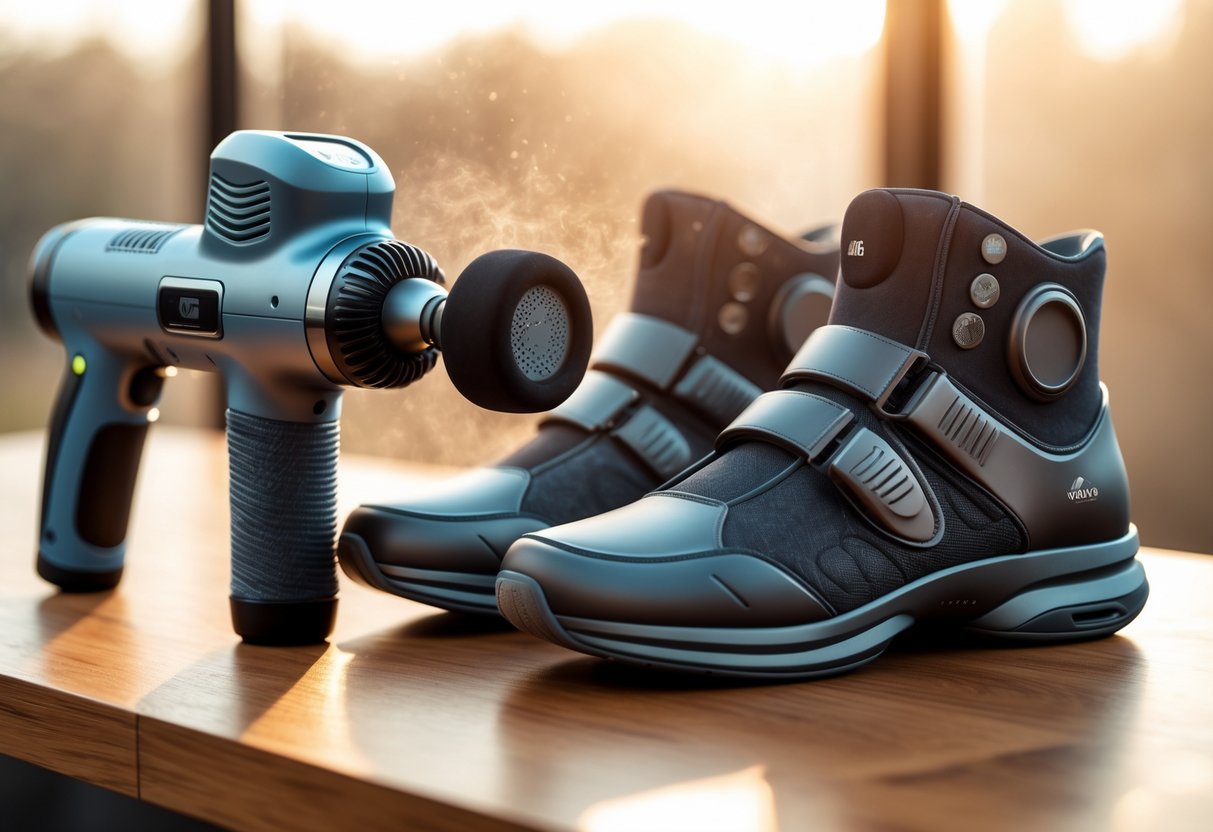
Recovery tools work best when combined with foundational habits that support the body’s natural healing processes. Proper stretching routines, adequate hydration, and quality sleep form the backbone of effective recovery protocols.
The Role of Stretching and Gentle Movement
Active recovery through stretching and gentle movement keeps muscles flexible and promotes blood flow between intense training sessions. Static stretching helps lengthen tight muscle fibers and reduce tension buildup.
Dynamic stretching before workouts prepares muscles for activity. This includes leg swings, arm circles, and walking lunges. Static stretching works better after exercise when muscles are warm.
Effective stretching protocols include:
- Hold static stretches for 30-60 seconds
- Focus on major muscle groups used during training
- Perform gentle yoga flows on rest days
- Use breathing techniques to deepen stretches
Light walking or swimming on recovery days maintains circulation without adding stress. These activities help flush metabolic waste from muscles while keeping joints mobile.
Hydration and Its Impact on Muscle Recovery
Water supports every aspect of muscle recovery from nutrient transport to waste removal. Dehydrated muscles recover slower and remain more prone to cramping and stiffness.
Proper hydration maintains blood volume for efficient nutrient delivery to damaged tissues. It also helps kidneys filter metabolic byproducts like lactic acid from the bloodstream.
Daily hydration guidelines:
- Drink 0.5-1 ounce per pound of body weight
- Add 16-24 ounces for every hour of exercise
- Monitor urine color as a hydration indicator
- Include electrolytes during longer training sessions
Athletes should drink water consistently throughout the day rather than trying to catch up after becoming thirsty. Thirst signals indicate dehydration has already begun.
Sleep Quality as a Biohacking Priority
Sleep triggers the release of growth hormone and other recovery compounds that repair damaged muscle tissue. Poor sleep quality directly impairs protein synthesis and extends recovery time.
Most muscle repair occurs during deep sleep stages when the body prioritizes tissue regeneration. Sleep quality[13] impacts everything from hormone production to inflammation control.
Sleep optimization strategies:
- Maintain consistent bedtime and wake times
- Keep bedroom temperature between 65-68°F
- Avoid screens 1-2 hours before bed
- Create a dark, quiet sleep environment
Athletes need 7-9 hours of quality sleep per night for optimal recovery. Sleep tracking devices can help identify patterns and improvements in sleep quality over time.
Frequently Asked Questions
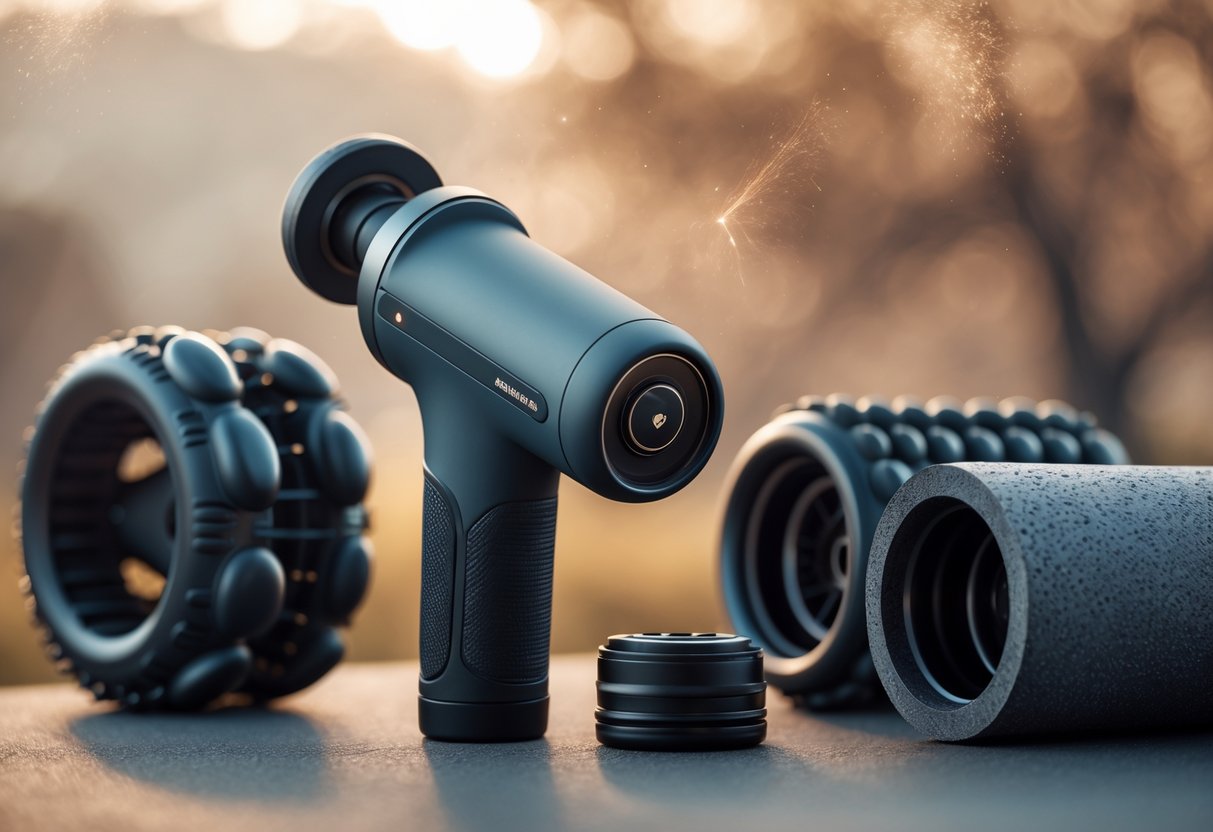
Professional athletes show clear preferences for specific recovery equipment based on their sport demands. Elite athletes rely heavily on compression technology and percussion therapy[2], with 72% now incorporating these tools into their training routines.
What equipment do professional athletes prefer for enhanced muscle recovery?
Professional athletes typically choose compression boots and massage guns as their primary recovery tools[2]. The Golden State Warriors use a hybrid approach with massage guns for pre-game activation and 30-minute compression sessions post-game.
Marathon runners favor compression boots for full-leg recovery after long training runs. One marathon runner reports feeling “60% lighter” the morning after a 20-mile run when using boots nightly during training cycles.
NBA trainers prefer massage guns for quick muscle activation. They use 90-second sessions per player for hamstring flexibility before games.
Which muscle recovery tools are considered most effective for CrossFit enthusiasts?
CrossFit athletes benefit most from massage guns due to their varied movement patterns and targeted muscle stress. Massage guns provide spot treatment for specific muscle groups[2] like quads, glutes, and shoulders commonly used in CrossFit workouts.
Foam rollers remain essential for CrossFit recovery routines. They help address myofascial restrictions from Olympic lifting movements and high-intensity intervals.
Recovery boots work well for CrossFit athletes during rest days. They provide systemic recovery for the entire lower body after intense leg-focused workouts.
How do compression boots compare to massage guns in terms of recovery benefits?
Compression boots deliver 34% faster lactate clearance compared to static rest[2]. They reduce delayed onset muscle soreness by 41% in endurance athletes and work best for full-leg systemic recovery.
Massage guns improve range of motion by 18% when used pre-workout[2]. They reduce muscle stiffness by 27% within 5 minutes and excel at targeting specific trigger points.
Compression boots use pneumatic pressure to move lymph and blood toward the heart[14]. Massage guns use percussive therapy with 2,000-3,200 RPM to break up muscle adhesions[14].
Can you list the top recovery tools recommended for pitchers?
Pitchers need targeted shoulder and arm recovery tools due to repetitive throwing motions. Massage guns work effectively for posterior deltoid and rotator cuff maintenance between starts.
Compression sleeves for arms help reduce inflammation in the throwing arm. Many pitchers use them during travel and on rest days.
Ice baths remain a standard recovery method for pitchers. They help reduce inflammation in the entire kinetic chain after high-pitch-count games.
Stretching bands and resistance tubes help maintain shoulder mobility. Pitchers use them for both pre-game activation and post-game recovery routines.
What are the key differences between popular brands of recovery equipment, such as Marc Pro and Normatec?
Marc Pro uses electrical muscle stimulation technology rather than compression. It sends low-frequency electrical pulses to muscles to improve blood flow and reduce fatigue.
Normatec focuses exclusively on pneumatic compression technology. Their boots use sequential compression patterns that mimic natural muscle contractions.
Marc Pro requires electrode placement on specific muscle groups. Users can target individual muscles like the quadriceps or hamstrings with precision.
Normatec boots provide whole-leg treatment simultaneously. They offer different pressure zones and compression modes for various recovery needs.
What innovations in gym recovery tools have emerged as favorites among biohackers?
Percussive therapy devices now feature smart connectivity and app integration. Users can track session duration, intensity levels, and recovery patterns through smartphone apps.
Heat and cold therapy combinations have gained popularity among biohackers. Contrast therapy units alternate between hot and cold temperatures for enhanced recovery benefits.
Red light therapy panels are becoming standard in high-end recovery setups. They claim to improve cellular energy production and reduce inflammation at the mitochondrial level.
Vibration platforms with variable frequencies allow users to customize their recovery sessions. These tools combine vibration therapy with stretching and mobility work.
References
- Best Muscle Recovery Tools 2025: Top Picks for Optimal Recovery. https://www.musclerecoveryguide.com/best-muscle-recovery-tools-2025-top-picks-for-optimal-recovery/ Accessed December 2, 2025
- Compression Recovery Boots vs. Massage Guns: Which is Better for Athle – Wellue. https://getwellue.com/blogs/recovery/compression-recovery-boots-vs-massage-guns-which-is-better-for-athletes Accessed December 2, 2025
- Biohacking Recovery: Cutting-Edge Tools for Accelerated Healing. https://relentlesswork.com/biohacking-recovery-cutting-edge-tools-for-accelerated-healing/ Accessed December 2, 2025
- Top Recovery Tools 2025. https://www.iliveactive.com/Health/Longevity/Recovery/Recovery-Tools/Top-Recovery-Tools-2025 Accessed December 2, 2025
- Theragun Pro Plus offers professional-grade performance. https://www.verywellfit.com/best-massage-guns-4800201 Accessed December 2, 2025
- Compression boots work by using air pressure. https://www.menshealth.com/fitness/g41780760/best-compression-boots/ Accessed December 2, 2025
- Best Recovery Tools for Athletes of 2025 – iRunFar. https://www.irunfar.com/best-recovery-tools-for-athletes Accessed December 2, 2025
- 14 Best Fitness and Workout Recovery Tools 2025, According to Trainers. https://www.rollingstone.com/product-recommendations/lifestyle/best-recovery-tools-foam-rollers-massage-guns-1134294/ Accessed December 2, 2025
- 5 Best Recovery Therapies For Elite Athletes’ Pain. https://redinfrahealth.com/red-light-therapy-sports-injuries-2/ Accessed December 2, 2025
- 5 benefits of alternating hot and cold therapy. https://rollingout.com/2025/03/08/benefits-alternating-hot-cold-therapy/ Accessed December 2, 2025
- Top 5 Wearable Tech Devices for Biohackers in 2025. https://neurohub.bio/top-5-wearable-tech-devices-for-biohackers-in-2025/ Accessed December 2, 2025
- 5 Cutting-Edge Recovery Tools Athletes Swear By in 2025. https://hypespirit.com/articles/5-cutting-edge-recovery-tools-athletes-swear-by-in-2025 Accessed December 2, 2025
- 10 Science-Backed Habits for a Healthy Lifestyle That Boosts Recovery. https://www.therecoveryplace.org/2025/07/07/10-science-backed-ha/ Accessed December 2, 2025
- Compression Boots vs Massage Guns. Which Wins?. https://endurewell.co/blog/compression-boots-vs-massage-guns Accessed December 2, 2025