Top Sleep Tracking Devices for Better Rest and Recovery: 2025 Guide
Getting quality sleep is essential for health and performance, yet many people struggle to understand what happens during their rest. Sleep tracking devices offer a window into your nightly patterns, measuring everything from sleep stages to heart rate variability. These tools have become increasingly sophisticated, providing detailed insights that can help optimize both rest and recovery.
The best sleep trackers of 2025, including the Oura Ring 4 and Whoop 4.0[1], combine accuracy with user-friendly features to deliver actionable sleep data. Modern devices go beyond simple time tracking to monitor deep sleep, REM cycles, body temperature, and recovery metrics. This comprehensive data helps users identify patterns and make informed changes to their sleep habits.
However, sleep trackers have limitations[1] and aren’t medical devices. They work best for people with healthy curiosity about their sleep who want concrete guidance for improvement. Understanding which features matter most and how to interpret the data makes the difference between useful insights and overwhelming numbers.
Key Takeaways
- Sleep tracking devices measure sleep stages, heart rate, and recovery metrics to provide insights into rest quality
- Top devices like the Oura Ring 4 offer accurate data with personalized recommendations for better sleep habits
- These tools work best as learning aids for curious users rather than medical diagnostic equipment
How Sleep Tracking Devices Improve Rest and Recovery
Sleep tracking devices measure biological signals during sleep to provide detailed insights about sleep stages, quality metrics, and recovery patterns. These devices analyze data points like heart rate variability, movement, and breathing to generate actionable feedback that helps users optimize their rest.
The Science Behind Sleep Tracking
Modern sleep trackers use multiple sensors[2] to monitor physiological changes throughout the night. Accelerometers detect movement and position changes. Heart rate sensors track pulse variations that indicate different sleep stages.
Advanced devices measure heart rate variability (HRV), which reflects nervous system activity. During deep sleep, HRV increases as the body enters recovery mode. Temperature sensors in some trackers detect the natural drop in body temperature that occurs during sleep.
Key Technologies Used:
- Accelerometers for movement detection
- Optical heart rate sensors
- Temperature monitoring
- Some devices include SpO2 sensors for blood oxygen levels
The algorithms process this data using machine learning. They compare patterns against large databases of sleep data to identify sleep stages and calculate sleep quality scores.
Key Sleep Metrics Monitored
Sleep tracking devices measure several important metrics that directly impact recovery. Total sleep time shows how many hours a person actually sleeps versus time in bed. Sleep efficiency calculates the percentage of time spent asleep while in bed.
Sleep Stage Breakdown:
- Light Sleep: Transition periods, easier to wake from
- Deep Sleep: Physical recovery phase, muscle repair occurs
- REM Sleep: Mental recovery, memory consolidation happens
Most trackers provide a sleep score or body battery reading. These combine multiple metrics into a single number between 0-100. Higher scores indicate better sleep quality and readiness for the day ahead.
Recovery tracking features monitor how well the body restored itself during sleep. Devices analyze sleep data[3] to determine recovery scores based on deep sleep duration, heart rate patterns, and sleep continuity.
Impact on Sleep Quality
Sleep data helps users identify patterns that affect their rest. Trackers show how factors like caffeine, exercise timing, and room temperature influence sleep stages. Users can adjust habits based on objective measurements rather than how they feel.
Many people discover they get less deep sleep than needed for proper recovery. The data reveals interruptions they don’t remember. This awareness motivates changes to sleep environment and routines.
Common Improvements Users Make:
- Earlier bedtimes to increase total sleep time
- Cooler room temperatures for better deep sleep
- Limiting screen time before bed
- Adjusting workout timing
Sleep tracking devices provide personalized insights[4] that help users understand which changes actually improve their sleep quality. The feedback loop between data and behavior changes leads to better sleep habits over time.
Link Between Sleep and Recovery
Recovery depends heavily on getting adequate deep sleep and REM sleep. During deep sleep, the body releases growth hormone and repairs muscle tissue. REM sleep processes memories and restores mental energy.
Sleep trackers show the direct connection between sleep quality and next-day performance. Poor sleep results in lower recovery scores and reduced body battery levels. Users see how insufficient sleep affects their readiness for physical activity.
Athletes use recovery tracking to adjust training intensity based on sleep data. Low recovery scores indicate the need for easier workouts or rest days. This prevents overtraining and reduces injury risk.
Recovery Benefits of Quality Sleep:
- Muscle repair and growth
- Immune system strengthening
- Mental clarity and focus
- Hormone regulation
Sleep tracking tools help gauge recovery[5] by monitoring how well the body restored itself overnight. This data guides decisions about daily activities and exercise intensity for optimal performance.
Types of Sleep Tracking Devices
Sleep tracking devices come in four main categories, each using different technologies to monitor rest patterns. Wearable trackers offer continuous monitoring, smartwatches combine fitness and sleep data, non-wearable sensors provide hands-free tracking, and smartphone apps deliver basic sleep insights.
Wearable Sleep Trackers
Wearable sleep trackers include rings, bands, and dedicated devices that monitor sleep without the bulk of traditional fitness trackers. These devices sit directly on the body to collect detailed biometric data throughout the night.
Popular wearable options include:
- Sleep tracking rings (worn on finger)
- Lightweight wristbands
- Chest straps for heart rate monitoring
- Headbands that track brain activity
The Oura Ring 4 offers the best combination of accuracy and comfort[1] according to testing experts. Ring-style trackers provide precise readings while remaining comfortable during sleep.
Wearable sleep trackers typically monitor heart rate, movement, body temperature, and breathing patterns. Advanced models can detect sleep stages and provide recovery metrics.
Most wearable devices require charging every 3-7 days. Battery life varies based on features and usage patterns.
Smartwatches With Sleep Tracking
Smartwatches combine activity tracking with comprehensive sleep monitoring features. These devices offer the convenience of all-day wear while delivering detailed nighttime analytics.
Modern smartwatches track multiple sleep metrics including REM cycles, deep sleep duration, and sleep efficiency. They use accelerometers and heart rate sensors to detect movement and physiological changes.
Key smartwatch advantages:
- All-day monitoring: Tracks both daytime activity and nighttime sleep
- Smart alarms: Wake users during lighter sleep phases
- Integration: Connects with fitness apps and health platforms
Popular fitness watch brands like Apple, Garmin, and Fitbit include advanced sleep tracking capabilities. These devices often provide sleep scores and personalized recommendations for better rest.
Smartwatches require daily charging, which can interfere with continuous sleep monitoring. Users must plan charging times around their sleep schedule.
Non-Wearable and Sensor-Based Trackers
Non-wearable sleep tracking devices eliminate the need to wear anything during sleep. These systems use external sensors to monitor sleep patterns from bedside tables or under mattresses.
Under-mattress sensors and bedside monitors offer effective tracking[6] without comfort concerns. These devices detect movement, breathing, and heart rate through advanced sensor technology.
Non-wearable tracker types:
- Under-mattress pads with pressure sensors
- Bedside radar-based monitors
- Smart mattresses with built-in sensors
- Sleep mats that analyze body movements
These systems often provide room environment data including temperature and humidity levels. Some models can track two sleep partners simultaneously.
Non-wearable trackers typically plug into wall outlets, eliminating battery concerns. Setup requires initial calibration but offers hands-free operation afterward.
Sleep Tracking Apps
Sleep apps use smartphone sensors and microphones to provide basic sleep monitoring. These applications offer an accessible entry point into sleep tracking without additional hardware costs.
Most sleep apps analyze movement patterns through phone accelerometers placed on the mattress. Advanced versions use sound analysis to detect breathing patterns and sleep disturbances.
Common app features:
- Sleep duration tracking
- Basic sleep stage detection
- Smart alarm functionality
- Sleep trend analysis over time
Sleep tracking apps are generally less robust than dedicated devices[6] due to limited sensor capabilities. However, some apps integrate with wearable devices to provide enhanced analytics.
Popular sleep apps include Sleep Cycle, Pillow, and AutoSleep. Many fitness tracker manufacturers also offer companion apps with detailed sleep insights.
Apps drain phone battery overnight and require consistent phone placement for accurate readings.
Top Sleep Tracking Devices of 2025
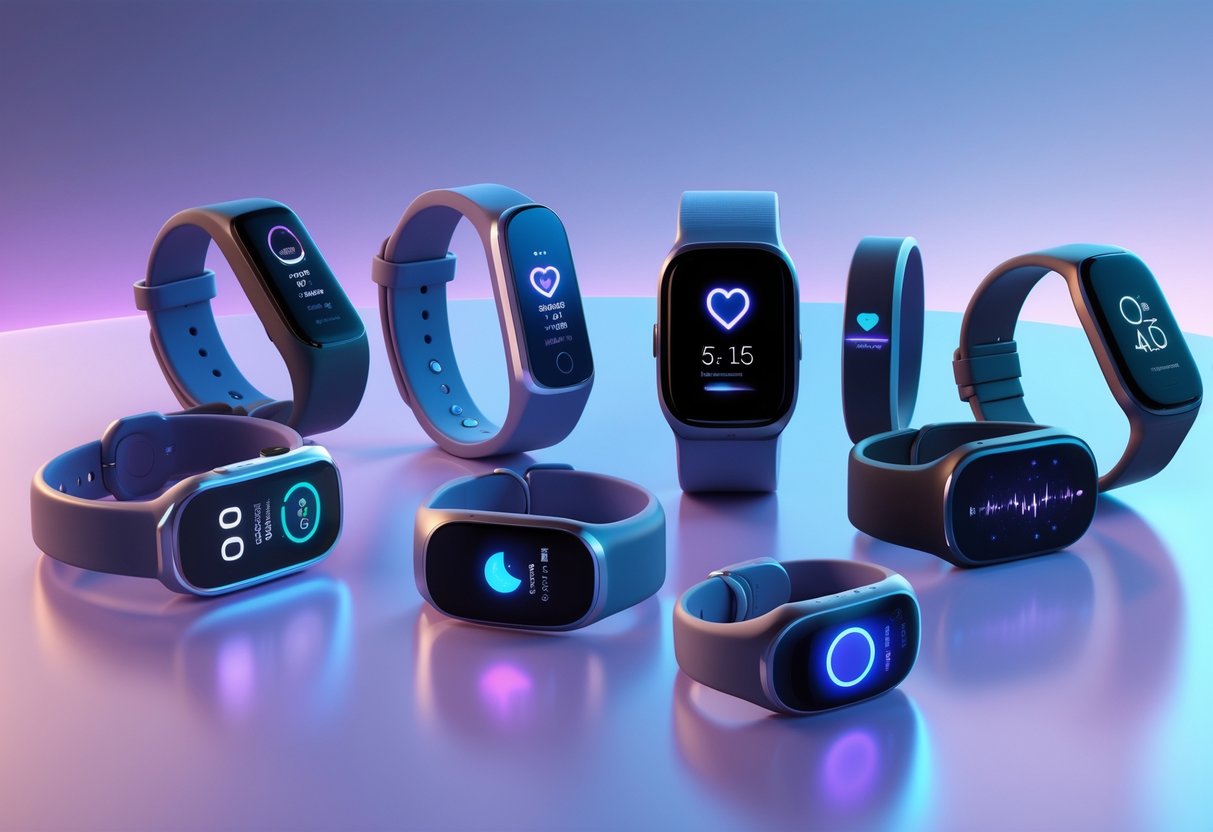
The best sleep trackers of 2025[7] combine advanced sensors with smart algorithms to monitor sleep stages, heart rate, and recovery metrics. Leading devices like the Oura Ring 4 offer medical-grade accuracy, while fitness-focused options provide comprehensive health tracking beyond sleep analysis.
Oura Ring 4 and Oura Ring
The Oura Ring 4 leads the market with its discreet titanium design and 18 advanced sensors. This ring tracks sleep stages, heart rate variability, and body temperature through infrared LED technology.
The device provides three daily scores: Sleep, Activity, and Readiness. Users receive personalized recommendations based on their biometric data and sleep patterns.
Key Features:
- 18 sensors (upgraded from 8 in Gen3)
- Smart sensing algorithm for optimal accuracy
- Recessed sensors for improved comfort
- Available in 6 finishes and sizes 4-15
Testing shows the Oura Ring 4 offers consistently accurate heart-rate data[1] with 79% alignment to medical polysomnography tests. The ring’s Symptom Radar feature can detect illness before symptoms appear.
Battery life extends 4-7 days per charge. The accompanying app presents data through easy-to-read charts and provides actionable sleep advice.
Whoop 5.0 and Whoop 4.0 Bands
Whoop 4.0 focuses on recovery and strain tracking for athletes and fitness enthusiasts. The screenless band monitors heart rate variability, respiratory rate, and sleep stages continuously.
The device calculates daily Recovery, Strain, and Sleep scores. Users receive coaching based on their physiological data and training loads.
Whoop’s strength lies in its detailed recovery analytics. The system tracks how different activities affect sleep quality and recovery time.
Notable Features:
- Continuous biometric monitoring
- No screen design for minimal distractions
- Waterproof construction
- Membership-based model with device included
The Whoop 4.0 excels at activity tracking[1] and provides comprehensive strain analysis. Battery life lasts 4-5 days with a unique wireless charging pack.
Fitbit Sense 2 and Fitbit Inspire 3
Fitbit Sense 2 combines sleep tracking with comprehensive health monitoring. The device measures sleep stages, SpO2 levels, and skin temperature variations during rest.
The Fitbit app provides Sleep Score ratings and personalized insights. Premium subscribers access advanced sleep analysis and guided sleep programs.
Fitbit Inspire 3 offers essential sleep tracking in a more affordable package. This fitness tracker monitors sleep duration, stages, and provides basic sleep insights.
Both devices integrate seamlessly with the Fitbit ecosystem. Users can track sleep trends over time and set sleep goals within the app.
Comparison:
| Feature | Sense 2 | Inspire 3 |
|---|---|---|
| Sleep Stages | Yes | Yes |
| SpO2 Monitoring | Yes | No |
| Battery Life | 6+ days | 10 days |
| GPS | Built-in | Connected |
Apple Watch Series 8 and Sleep Tracking
Apple Watch Series 8 integrates sleep tracking with comprehensive health monitoring through watchOS. The device automatically detects sleep and wake times while tracking sleep stages.
Apple Health stores all sleep data and provides weekly sleep trends. The watch reminds users of bedtime schedules and offers Wind Down routines.
Sleep Focus mode dims the display and silences notifications during rest periods. The watch tracks respiratory rate and blood oxygen levels throughout the night.
Sleep Features:
- Automatic sleep detection
- Sleep stage monitoring (REM, Core, Deep)
- Integration with Apple Health ecosystem
- Bedtime reminders and wake alarms
Battery optimization allows overnight tracking with morning charging routines. The watch provides haptic wake alarms that won’t disturb sleep partners.
Users benefit from Apple’s ecosystem integration, syncing sleep data across iPhone, iPad, and Mac devices for comprehensive health tracking.
Core Features and Metrics to Consider
Modern sleep trackers measure multiple physiological markers that work together to paint a complete picture of sleep quality. These devices track everything from basic sleep stages to complex metrics like heart rate variability and body temperature fluctuations.
Sleep Stages and Sleep Score
Sleep trackers identify four distinct sleep phases: light sleep, deep sleep, REM sleep, and wake periods. Most devices use accelerometer data and heart rate patterns to detect transitions between these stages.
Deep sleep typically accounts for 15-20% of total sleep time in healthy adults. REM sleep should make up about 20-25% of the night. Light sleep fills the remaining 50-60% of sleep duration.
Sleep Score Calculation:
- Sleep duration (7-9 hours optimal)
- Time spent in each sleep stage
- Number of wake-ups during the night
- Sleep consistency patterns
Many comprehensive sleep trackers[7] combine these metrics into a single sleep score ranging from 0-100. Scores above 85 typically indicate excellent sleep quality.
The accuracy of sleep stage detection varies by device type. Wrist-worn trackers achieve about 70-80% accuracy compared to clinical sleep studies.
Heart Rate, HRV, and RHR Tracking
Heart rate monitoring during sleep provides valuable insights into recovery and overall health status. Sleep trackers measure three key cardiac metrics throughout the night.
Resting heart rate typically drops 10-30 beats per minute during sleep compared to daytime levels. A consistently elevated RHR during sleep may indicate stress, illness, or poor recovery.
Heart rate variability measures the time variation between heartbeats. Higher HRV generally indicates better recovery and autonomic nervous system balance. HRV naturally increases during deep sleep phases.
Most fitness-focused devices calculate a recovery score based on HRV patterns. This metric helps users determine if they’re ready for intense training or need additional rest.
HRV readings are most accurate when measured consistently at the same time each night. Factors like alcohol consumption, late meals, and room temperature can significantly impact these measurements.
Sleep Efficiency and Latency
Sleep efficiency measures the percentage of time spent actually sleeping versus lying in bed. Healthy adults typically achieve 85-90% sleep efficiency.
Sleep latency refers to how long it takes to fall asleep after getting into bed. Normal sleep latency ranges from 10-20 minutes. Consistently falling asleep in under 5 minutes may indicate sleep debt.
Poor sleep efficiency often results from:
- Frequent nighttime awakenings
- Long periods of restlessness
- Extended time to fall asleep initially
Sleep trackers calculate these metrics by detecting movement patterns and heart rate changes. Devices worn closer to the body generally provide more accurate readings than bedside monitors.
Users can improve sleep efficiency by maintaining consistent bedtime routines and optimizing their sleep environment for temperature and darkness.
Temperature and Respiratory Rate Monitoring
Body temperature naturally drops 1-2 degrees Fahrenheit during sleep as part of the circadian rhythm. Advanced sleep trackers monitor skin temperature variations throughout the night.
Respiratory rate typically slows from 12-20 breaths per minute during wake to 12-16 breaths per minute during sleep. Irregular breathing patterns can indicate sleep disorders or poor air quality.
Some devices detect breathing interruptions that may signal sleep apnea. However, these consumer devices cannot replace professional sleep studies for medical diagnosis.
Temperature tracking helps identify optimal sleep conditions. Most people sleep best when room temperature stays between 65-68°F. Elevated skin temperature readings may indicate illness onset or hormonal changes.
Respiratory monitoring works best with chest-worn devices or under-mattress sensors rather than wrist-based trackers. Ring-style devices offer a middle ground for accuracy and comfort.
Factors for Choosing the Best Sleep Tracker
The effectiveness of sleep tracking devices depends heavily on their measurement precision, daily usability, ongoing costs, and ability to provide actionable insights. These core elements determine whether a fitness tracker or smartwatch becomes a valuable tool for improving sleep and recovery tracking.
Accuracy and Validation
Heart rate variability and movement detection form the foundation of reliable sleep tracking devices. Most smartwatch models use accelerometers and optical heart rate sensors to detect sleep stages.
The best sleep trackers of 2025[7] show significant variation in accuracy levels. Ring-style trackers often provide more consistent readings due to stable finger placement. Wrist-based devices can shift during sleep, affecting data quality.
Clinical validation separates quality devices from basic fitness trackers. Look for sleep trackers that have been tested against polysomnography, the gold standard for sleep measurement.
Key accuracy factors include:
- Sensor placement stability
- Multi-metric monitoring (heart rate, movement, temperature)
- Algorithm sophistication for sleep stage detection
- Nap detection capabilities
Battery Life and Comfort
Multi-day battery performance eliminates charging interruptions that can disrupt sleep and recovery tracking patterns. Most quality sleep tracking devices offer 3-7 days of continuous use.
Comfort directly impacts data quality and user compliance. Heavy or bulky devices cause sleep disruption, defeating their primary purpose.
Material considerations matter significantly:
- Silicone bands reduce skin irritation
- Lightweight designs minimize sleep interference
- Hypoallergenic materials prevent allergic reactions
Charging frequency affects long-term usage patterns. Devices requiring daily charging often get abandoned after initial enthusiasm wanes.
Water resistance adds practical value for users who shower with their tracker or engage in water-based recovery activities.
Subscription Models and App Integrations
Monthly fees can significantly increase the total cost of sleep tracking devices over time. Many manufacturers now charge $5-15 monthly for advanced features and detailed sleep coach recommendations.
Free tiers typically provide basic sleep schedule tracking and limited historical data. Premium subscriptions unlock comprehensive sleep and recovery analysis, personalized coaching, and trend identification.
App ecosystem compatibility determines data accessibility and sharing options:
| Platform | Key Integrations |
|---|---|
| iOS | Apple Health, fitness apps |
| Android | Google Fit, Samsung Health |
| Third-party | MyFitnessPal, Strava |
Data export capabilities prevent vendor lock-in and allow users to maintain their sleep tracking history when switching devices.
Personalization and Coaching Features
Adaptive algorithms learn individual sleep patterns and adjust recommendations accordingly. Generic advice provides limited value compared to personalized insights based on actual sleep data.
Smart alarm functionality wakes users during lighter sleep phases, improving morning alertness and recovery quality. This feature requires accurate sleep stage detection to work effectively.
Sleep coach integration transforms raw data into actionable recommendations. The most effective sleep trackers[2] provide specific suggestions for improving sleep schedule consistency and recovery optimization.
Customizable metrics allow users to focus on their primary concerns:
- Sleep debt tracking
- Recovery readiness scores
- Environmental factor correlations
- Lifestyle habit connections
Goal-setting features help users establish realistic sleep schedule improvements and track progress over time.
Making the Most of Your Sleep and Recovery Data
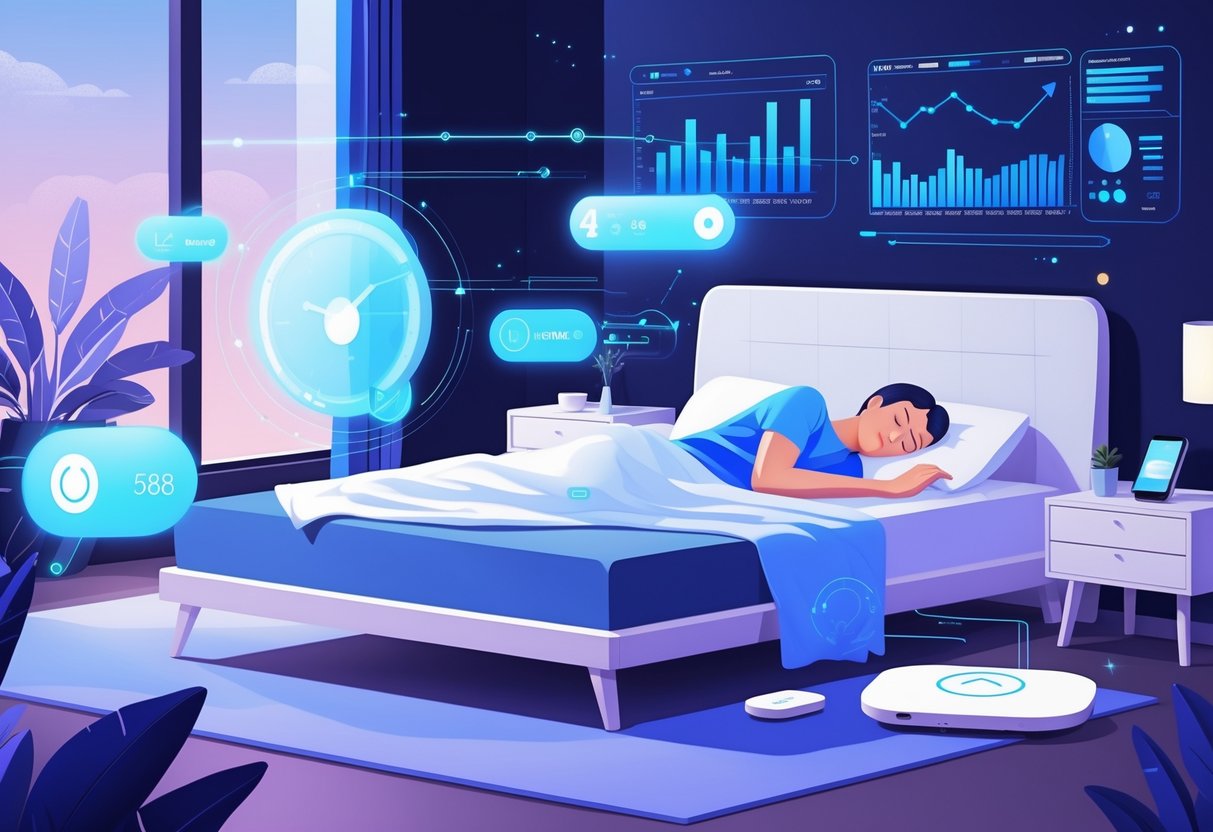
Sleep tracking devices generate detailed metrics that can transform how people understand their rest patterns. The key lies in correctly reading these numbers, spotting meaningful trends over time, and using insights to build better sleep habits that reduce accumulated sleep debt.
Interpreting Sleep Metrics
Modern sleep trackers measure several core metrics that reveal sleep quality. Total sleep time shows how many hours someone actually slept, while sleep efficiency indicates the percentage of time spent asleep versus lying in bed.
Sleep stages break down rest into light sleep, deep sleep, and REM phases. Deep sleep typically makes up 15-20% of total sleep time and helps with physical recovery. REM sleep accounts for 20-25% and supports memory and mental processing.
Heart rate variability during sleep reflects how well the body recovers from daily stress. Higher variability usually indicates better recovery. Restlessness scores track movement and interruptions throughout the night.
Sleep debt calculations show cumulative hours of missed sleep over time. Most sleep tracking devices[7] display this data through easy-to-read charts and daily scores.
Blood oxygen levels during sleep can reveal breathing issues. Normal levels stay above 95% throughout the night.
Identifying Patterns and Habits
Sleep data becomes valuable when viewed over weeks and months rather than single nights. Consistent bedtime and wake time patterns directly impact sleep quality metrics.
Weekly trends often show how weekends affect sleep schedules. Late weekend nights can shift circadian rhythms and reduce Monday morning alertness. Tracking helps identify these disruptions.
Environmental factors like room temperature and noise levels correlate with restlessness scores. Many people discover they sleep better in cooler rooms between 65-68°F.
Lifestyle connections emerge through data analysis. Caffeine intake, exercise timing, and evening screen time all influence sleep metrics. Alcohol may increase deep sleep initially but reduces REM sleep later in the night.
Stress monitoring features in advanced trackers link daytime anxiety to nighttime restlessness. High stress days often correlate with fragmented sleep patterns and lower recovery scores.
Improving Routine and Reducing Sleep Debt
Sleep debt accumulates when someone consistently sleeps less than their body needs. Expert testing shows[1] that most adults require 7-9 hours nightly for optimal recovery.
Gradual schedule adjustments work better than dramatic changes. Moving bedtime earlier by 15 minutes weekly helps establish new patterns without shocking the system.
Sleep hygiene improvements based on tracker data include avoiding screens one hour before bed and keeping consistent wake times. Room darkening and temperature control address environmental factors that cause restlessness.
Recovery prioritization means scheduling catch-up sleep strategically. Weekend sleep-ins can help reduce accumulated debt, but excessive sleeping disrupts circadian rhythms.
Habit stacking connects new sleep behaviors to existing routines. Setting tracker reminders for wind-down activities creates consistent pre-sleep patterns that improve overall sleep quality metrics.
Frequently Asked Questions
Sleep tracker accuracy varies significantly between devices, with some models achieving 79% alignment with medical sleep studies. Professional-grade monitors and subscription-free options each offer distinct advantages for different user needs.
What are the most accurate sleep trackers available in 2025?
The Oura Ring 4 stands out for accuracy[1], achieving 79% alignment with polysomnography tests in validation studies. This represents a significant improvement from earlier models that only achieved 66% accuracy.
The WHOOP 4.0 also ranks among the most accurate sleep tracking devices[1] based on extensive testing. Both devices use multiple sensors to track heart rate, heart rate variability, and body temperature.
Sleep trackers that have undergone third-party validation studies tend to provide more reliable data. These studies offer transparency about device accuracy compared to medical-grade sleep monitoring equipment.
Which sleep tracker apps are best for monitoring sleep quality?
Free sleep tracking apps work well for people who want basic sleep monitoring without buying hardware. These apps use smartphone sensors to detect movement and estimate sleep patterns.
Premium apps that pair with wearable devices offer more detailed insights. They typically provide sleep stage analysis, heart rate monitoring, and personalized recommendations for better rest.
Apps with easy-to-read interfaces help users understand their data better. The best sleep tracking apps[2] present sleep scores and trends in simple, color-coded formats.
Can you recommend a professional-grade sleep monitor for detailed sleep analysis?
Professional-grade sleep monitors offer medical-level accuracy for detailed analysis. These devices typically cost more but provide comprehensive data that rivals clinical sleep studies.
The Oura Ring 4 includes 18 sensors compared to 8 in previous models. This increase in sensor count allows for more precise monitoring of respiratory rate, blood oxygen, and body temperature changes.
WHOOP devices focus specifically on recovery metrics and professional athletic performance. They track strain, recovery, and sleep quality with algorithms designed for serious athletes and health enthusiasts.
Which sleep trackers offer comprehensive rest and recovery metrics without needing a subscription?
Many popular sleep trackers require monthly subscriptions to access full features. This can add significant cost over time for users who want complete data access.
Some fitness watches provide basic sleep tracking without ongoing fees. However, advanced features like detailed sleep stage analysis often require premium subscriptions.
One-time purchase devices with comprehensive apps offer better long-term value. Users should compare subscription costs against device prices when choosing sleep tracking solutions.
How do WHOOP and other sleep devices compare in tracking sleep and recovery?
WHOOP focuses heavily on recovery metrics and strain analysis. The device provides detailed recommendations for optimizing performance based on sleep quality and daily activities.
Traditional fitness watches offer broader health tracking beyond sleep monitoring. They include features like GPS, workout tracking, and smartphone notifications alongside sleep analysis.
Smart rings like the Oura provide discreet monitoring with jewelry-like design. They excel at continuous heart rate variability tracking throughout both day and night periods.
Amongst the latest wearables, which sleep tracker watches are considered the best?
The latest wearable sleep trackers[8] include both smartwatches and dedicated fitness devices with advanced sleep monitoring capabilities. Many top-rated options combine sleep tracking with comprehensive health monitoring.
Garmin and Fitbit watches offer strong sleep tracking alongside extensive fitness features. These devices provide detailed sleep stage analysis and integrate with broader health ecosystems.
Apple Watch models include native sleep tracking with third-party app support. The watch platform allows users to customize their sleep monitoring experience with specialized applications.
References
- The 2 Best Sleep Trackers of 2025. https://www.nytimes.com/wirecutter/reviews/best-sleep-trackers/ Accessed November 24, 2025
- sleep trackers use multiple sensors. https://www.prevention.com/health/sleep-energy/a68887316/best-sleep-tracking-devices/ Accessed November 24, 2025
- The 8 Best Sleep Trackers of 2025, According to Our Sleep Experts' Testing. https://www.cnet.com/health/sleep/best-sleep-tracker/ Accessed November 24, 2025
- The best sleep trackers and sleep tech for 2025. https://www.theverge.com/23291925/best-sleep-tech-trackers-earbuds-wearables Accessed November 24, 2025
- Best Gadgets to Track Sleep in 2025. https://www.analyticsinsight.net/gadgets/what-are-the-top-sleep-tracking-gadgets Accessed November 24, 2025
- Best Sleep Trackers of 2025: Data That Matters. https://www.sleepfoundation.org/best-sleep-trackers/ Accessed November 24, 2025
- Best Sleep Trackers of 2025: Data That Matters. https://www.sleepfoundation.org/best-sleep-trackers Accessed November 24, 2025
- Best sleep trackers 2025: From smart rings to Garmin watches. https://www.livescience.com/technology/best-sleep-trackers Accessed November 24, 2025